

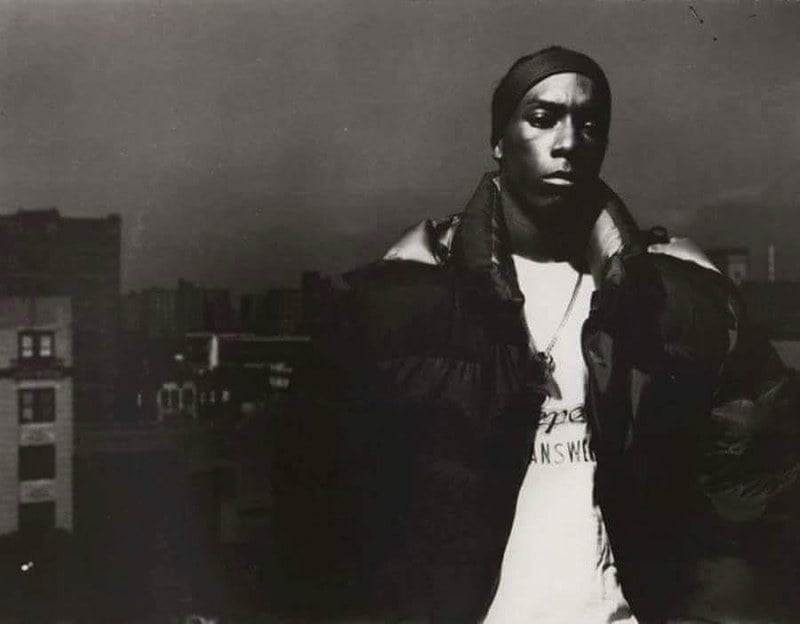
The classic Big L song Jay-Z was meant to rap on
Midway through the 1990s, Big L had become hard to ignore.
The streets of Harlem felt it first, then radio voices caught on, followed by anyone foolish enough to share a microphone with him – most left winded. Among them: a younger Jay-Z, shaping his voice ahead of Reasonable Doubt, discovering firsthand how merciless East Coast rap could turn when delivered without compromise. They met almost inevitably. Hunger drove each. Precision guided their flow. For both, every bar weighed like cash.
Back in February 1995, things shifted during an appearance on the Stretch Armstrong and Bobbito radio broadcast. Arriving at Columbia University’s WKCR station, Big L showed up alongside Jay-Z, calling him his ‘guy’. Then came close to ten minutes without pause – just raw verses traded live, now shared widely as a defining clash in hip-hop history. Sharp precision marked Big L’s delivery. Meanwhile, Jay-Z carried himself like someone watching every step ahead. This wasn’t casual fun. The air felt more like trial by rhyme.
What happened offstage carried more weight. Moving across Harlem, Big L held status – tied to D.I.T.C., hardened by clashes most had never faced. He guided Jay-Z through spaces, linked him with circles, and stood beside him when trust was questioned. People remember Premier saying Big L pointed others toward Jay, calling attention quietly but clearly. This wasn’t kindness given freely. Recognition sparked it – he saw skill, responded without hesitation. This near-partnership nearly became official.
Near the end of the 1990s, Big L started shaping his second record, The Big Picture. Momentum was building, industry doors once been closed now cracked open. Talks with Roc-A-Fella grew real; names like Jay-Z and Damon Dash came up often. Yet fate twisted hard. Right when recognition seemed within reach, it vanished. His moment arrived too late. After he died in February 1999, The Big Picture was released after his passing. A single track stood out more than the rest. Over a DJ Premier beat rooted in old-school boom-bap, Big L joined forces with Big Daddy Kane on ‘Platinum Plus’. That track hit hard – lean, precise, unforgiving. It had been meant to go further.
What started as a three-part verse idea, according to DJ Premier, was meant to feature Big L. Then came Big Daddy Kane. Followed by Jay-Z on ‘Platinum Plus’. After sending the beat along with the reel, Premier heard back from Jay. The agreement came without delay. By then, staying under the radar wasn’t an option for him anymore. Two platinum records marked his rise; commercial influence grew steadily. Still, joining Big L’s project mattered deeply. The moment held weight beyond music. Three boroughs’ legacies – Harlem, Brooklyn, one heir apparent aligned in purpose. It never happened.
When the album deadline drew near, Premier reached out repeatedly for Jay’s contribution. Phone calls went through. Notes appeared in inboxes. Time clashes kept stacking one after another. It turned out – only later – that the recording remained untouched. Since the launch day could not shift, delays became impossible. So the track was completed in his absence.
What stands out about “Platinum Plus” is how little it needs beyond Big L and Big Daddy Kane. Their performance forms one of the most focused bursts of lyrical skill from that time. Renewed energy pulses through Kane’s lines. Meanwhile, Big L moves with unmatched confidence. The backdrop – crafted by Premier – is built on sharp cuts and warm soul loops. Time passes, yet the song holds firm: fierce, self-assured, rooted. Losing Jay-Z doesn’t weaken the cut; instead, it leaves space for thought. How might Jay have come across in that setting? Perhaps trading lines, perhaps stepping back to observe instead. Could it have altered the song’s weight or lifted it beyond memory. These thoughts remain unanswered.
What hurts most is how badly it missed its moment. Back then, a track with Big L and Jay-Z might have changed everything. Jay stood on the edge of wider fame. The industry had just started seeing Big L clearly. Now, the idea only echoes loss. It stands not for progress, but paths cut short.
What Jay-Z said later reveals deep respect for Big L’s skill, along with regret over plans that never came to be. Mentioning him among the best, he described a wordsmith so sharp he shook up peers just by rapping. Back then, even Nas confessed feeling uneasy upon first hearing L – aware a real threat had arrived. Such an impact sticks around long after silence sets in.
Nowhere else does a track feel so complete while missing something real. ‘Platinum Plus’ isn’t a legend built on whispers – it’s fact, verified by DJ Premier. A verse never recorded still shapes how people hear it. What’s absent defines what remains.