


Kanye West’s Wireless Festival controversy explained
The disastrous announcement of Kanye West as the headliner of London’s Wireless Festival this summer has led to the event’s cancellation.
Organisers revealed last week that Ye, who has become notorious in recent years for his antisemitic pronouncements and glorification of Nazism, would headline the entirety of Wireless Festival’s three-night run this coming July. The news, however, was met with an immediate and widespread backlash.
Politicians from across the British political spectrum decried the decision, while multiple event sponsors withdrew their support for the festival. Crucially, the British government today announced its decision to block Ye from entering the UK, which forced Wireless Festival to cancel the whole event.
What’s the background to the Wireless Festival controversy?
Organised by Live Nation and Festival Republic, Wireless Festival is an annual hip-hop event that draws tens of thousands of attendees to Finsbury Park, London, each year. Headliners in recent years have included Drake, Nicki Minaj, 21 Savage and Doja Cat.
On March 30, 2026, it was announced that Ye would headline all three nights of the upcoming 2026 festival, scheduled for July 10, 11 and 12. These gigs were set to mark Ye’s first performances in the UK since his headline set at Glastonbury in 2015. He had previously headlined Wireless in 2014.

Ye has recently released his 12th studio album, Bully, and is set to perform a string of dates around the world throughout this year. But his return to music comes in the wake of several years of significant controversy, in which he expressed vehemently antisemitic views and openly identified as a Nazi.
It was during this period that he released a song called ‘Heil Hitler’ and sold T-shirts bearing swastikas via his website.
Ye later attempted to roll back on his antisemitic comments, claiming on X that he was “done with antisemitism” and asking God for forgiveness “for the pain I’ve caused.” He later met with Yoshiyahu Yosef Pinto, a prominent Israeli-Moroccan Orthodox rabbi, to apologise, citing his struggles with bipolar disorder as an explanation for his behaviour.
In January earlier this year Ye took out a full-page advertisement in The Wall Street Journal to address “those I’ve hurt” and to apologise for his antisemitism. He reiterated that his bipolar disorder had been behind his actions, claiming that he had been subject to “a four-month long, manic episode of psychotic, paranoid and impulsive behavior that destroyed my life.”
How did news of Ye’s Wireless headline slot go down?
Ye’s apologies failed to temper the negative reaction to his status as Wireless Festival’s headliner. There was significant resistance to the announcement, with the British prime minister himself leading the calls against it. Speaking recently to The Sun on Sunday, Keir Starmer noted that it was “deeply concerning” that Ye had been booked for the festival “despite his previous antisemitic remarks and celebration of Nazism.”
It is not just Starmer who spoke out. Prominent figures from across the political spectrum criticised the decision, with Liberal Democrat leader Ed Davey calling on the government to ban Kanye from entering the UK.
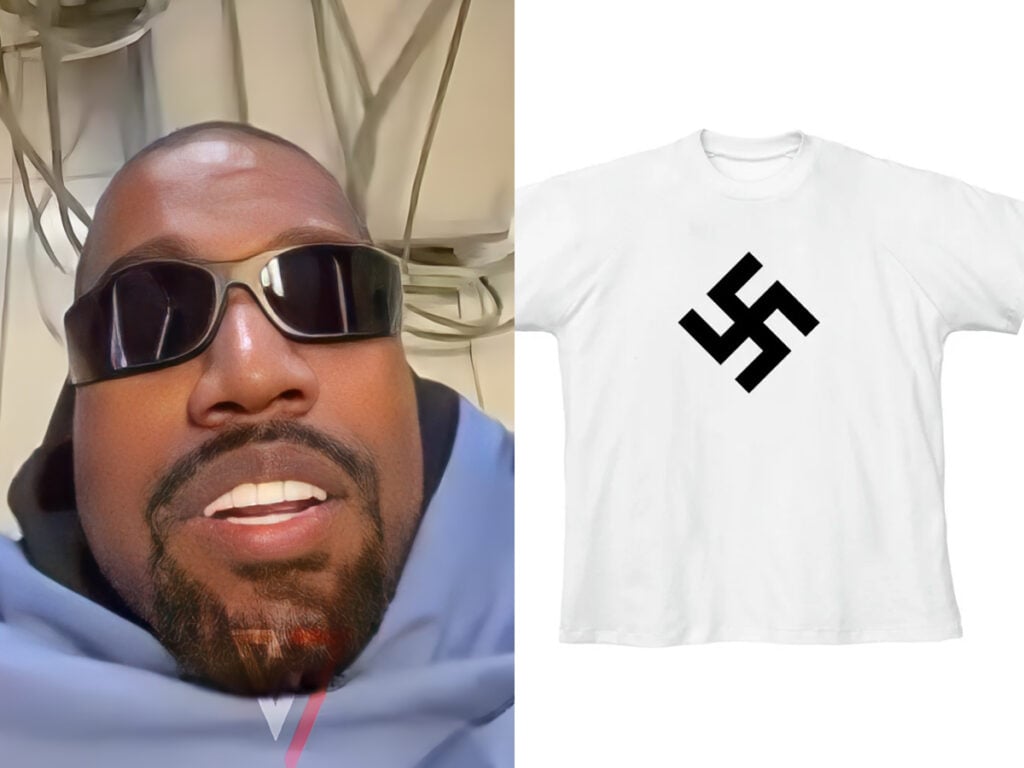
The government informed the BBC today that it had denied Ye’s application to travel to the UK “on the grounds that his presence would not be conducive to the public good.” This comes off the back of Ye’s ban from entering Australia last year, following the release of his ‘Heil Hitler’ song.
The news that Ye has been banned from the UK has followed several days of pressure against Wireless Festival, which saw several significant sponsors pull out of the event in response to the backlash. Pepsi, the festival’s top sponsor for the last decade, was perhaps the most significant withdrawal, but other companies soon followed its lead.
Among the sponsors to withdraw support from Wireless were the drinks giant Diageo, Rockstar Energy Drink, PayPal, and Anheuser-Busch InBev, which owns the alcohol brands Budweiser and BeatBox.
How did Ye and Wireless Festival respond to the backlash?
The managing director of event organiser Festival Republic, Melvin Benn, publicly encouraged people to forgive Ye, arguing that forgiveness was “becoming a lost virtue in this ever-increasing divisive world.”
Benn, claiming to be a “committed anti-fascist” who once lived on an Israeli kibbutz during the 1970s, stated that he found Ye’s past antisemitic statements “abhorrent,” but he also expressed sympathy with his public struggles with bipolar disorder. He implored for compassion and noted Ye’s right to “come into the country and to perform.”
Several Jewish groups, in turn, criticised Benn’s support for Ye, with Phil Rosenberg, president of the Board of Deputies of British Jews, noting that the Festival Republic boss’ statement “will not reassure many within the Jewish or other communities.”
Ye himself recently released a statement about the controversy, offering to “meet and listen” to members of the UK’s Jewish community and claiming that his “only goal” for performing in London is to “present a show of change, bringing unity, peace, and love through my music.”
“I know words aren’t enough,” he said, “I’ll have to show change through my actions. If you’re open, I’m here.”
Rosenberg responded that the Jewish community will want to see “genuine remorse and change” before it is willing to accept Ye’s appearance at Wireless Festival. “As such,” he said in a statement, “we are willing to meet Kanye West as part of his journey of healing, but only after he agrees not to play the Wireless Festival this year.”
Final decision?
In the end, the decision was taken away from Ye. The British government denied him entry to the country, which led Wireless Festival to announce that the event had been cancelled and that ticket-holders would be refunded.
In an official statement, the festival, which had booked the controversial rapper for three headline slots, shared, “The Home Office has withdrawn YE’s ETA, denying him entry into the United Kingdom. As a result, Wireless Festival is cancelled and refunds will be issued to all ticket holders.”
Upon sharing the ruling, the government explained that West’s appearance would not be “conducive to the public good”. The festival then added, “As with every Wireless Festival, multiple stakeholders were consulted in advance of booking YE and no concerns were highlighted at the time.”
This goes against the movement of many festival sponsors, as Pepsi, Diageo, and PayPal distanced themselves from the event following West’s controversial booking.