

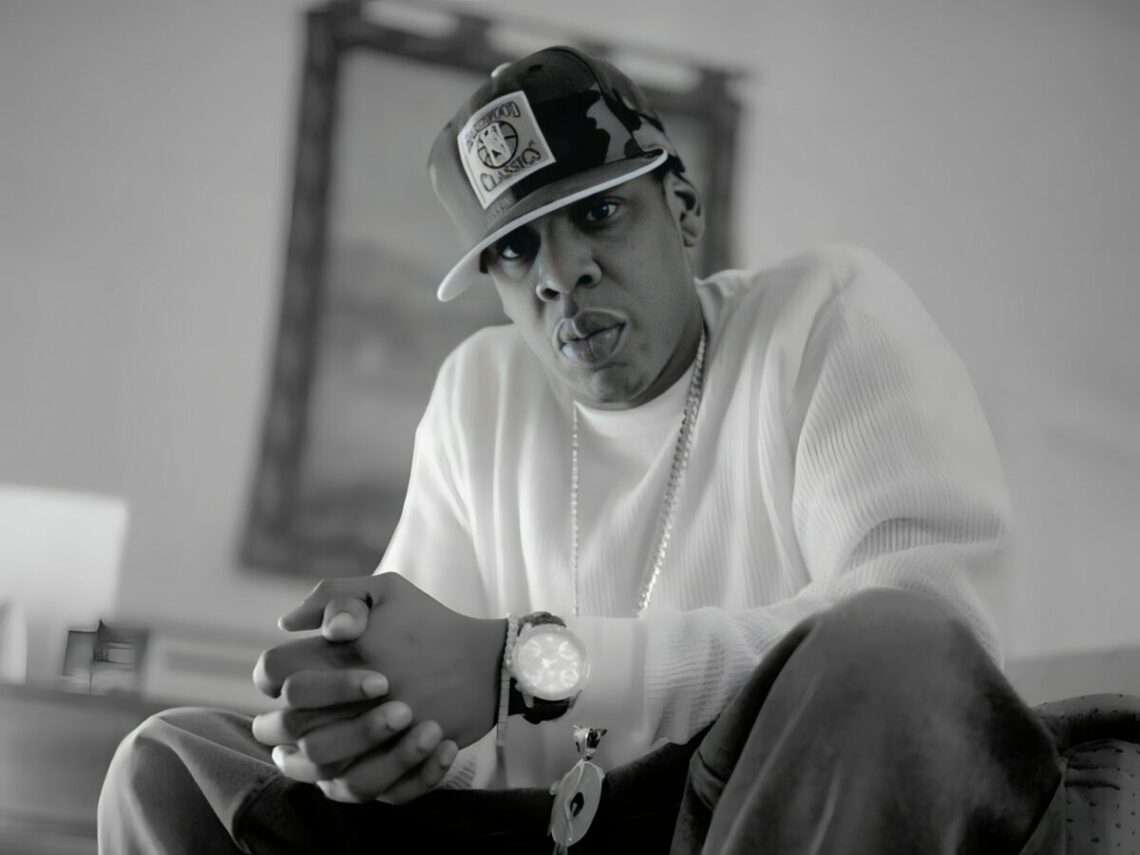
Was Jay-Z’s ‘The Blueprint’ influenced by soul greats including Marvin Gaye?
The Blueprint remains one of the most impactful, significant and industry-changing albums to date. Released in 2001, it shot straight to number one on the Billboard Top 200, earning both street as well as conventional credibility. But what really makes this piece of art stand out from the rest is the intricate use of soul samples to create iconic and majestic tracks, which began as a shift towards the fundamental use of sampling as a common practice. Not only had Jay-Z created a dynasty, he seemed to share a resemblance in his aura and stature to that of the great Marvin Gaye. Let’s unpack that.
The album enjoyed success in a tumultuous and painful moment in American history, with it being released on the fateful day of 9/11. Tragedy aside, this release showed Jay-Z’s hold on US culture at the time. He produced something that resonated with the masses during a time where togetherness and societal justice was at the forefront of the country’s priorities.
This was the Jay-Z that was missing. He had enjoyed much success on his prior albums, but this was different. It was a human being exploding with beautiful arrogance. Dislodging the shackles, he was no longer being held back, and his experimental side was introduced to the world.
But with the rapper spitting masterful bars, it’s hard to undervalue the genius of the production. Timbaland, Just Blaze, Eminem, Bink, Trackmasters, as well as a young and unknown Kanye West, flipped soulful tracks and put a fresh perspective on their existence. For example, ‘Izzo (HOVA)’ used the Jackson 5’s ‘I Want You Back’, remodelling the 1969 classic into something exceptionally articulated and innovative to fit with the modern narrative.
In all this, what is highly intriguing is the similarities between Jay-Z and Gaye. The former grew up listening to Gaye from a young age. He was surrounded by shimmering and funktastic brilliance, and The Blueprint clearly resonates the latter’s elaborate and grand ballads.
Other than that, it’s his lyrics which bear the most resemblance to Gaye. They both talk about life growing up in the city, Jay-Z in New York and Gaye in Washington DC. ‘Heart of the City (Ain’t No Love)’ shares the same parallels as Gaye’s ‘What’s Going On’. They both experienced hardship, struggles and eventually success. Jay saw himself in Gaye, and instead of sampling him, he alternatively embodied the singer. He takes on his confidence and faces up to his problems with swagger and panache. Moreover, Jay references him in ‘All I Need’ with the lyric “like meth and Mary, like Marvin and Tammi”, a nod to Gaye’s relationship with Tammi Terrell, with whom he sang multiple duets including ‘Ain’t No Mountain High Enough’.
Further samples in the album called upon other soul greats such as Al Green, The Persuaders, and Bobby ‘Blue’ Bland while also taking inspiration from other genres. From The Doors to David Bowie, the album is a celebration of musical excellence collated into one.
Soulful ’70s vocals permeate other tracks, including ‘Girls, Girls, Girls’ and ‘Song Cry’, creating an experience which is unique and addictive. The juxtaposition of sounds should never have worked, but it feels so right, such as on ‘Never Change’, where David Ruffins’ ‘Common Man’ sample blends exquisitely with Jay’s lyrical fury.
So, while there are elements of Gaye’s influence splattered throughout the project, from lyrics to within Jay’s very essence, a plethora of soulful inspiration from other artists also pervades each track. It ultimately forms one of the most magnificent and jaw-dropping albums to ever exist, which invites everyone to indulge in its expertise.