

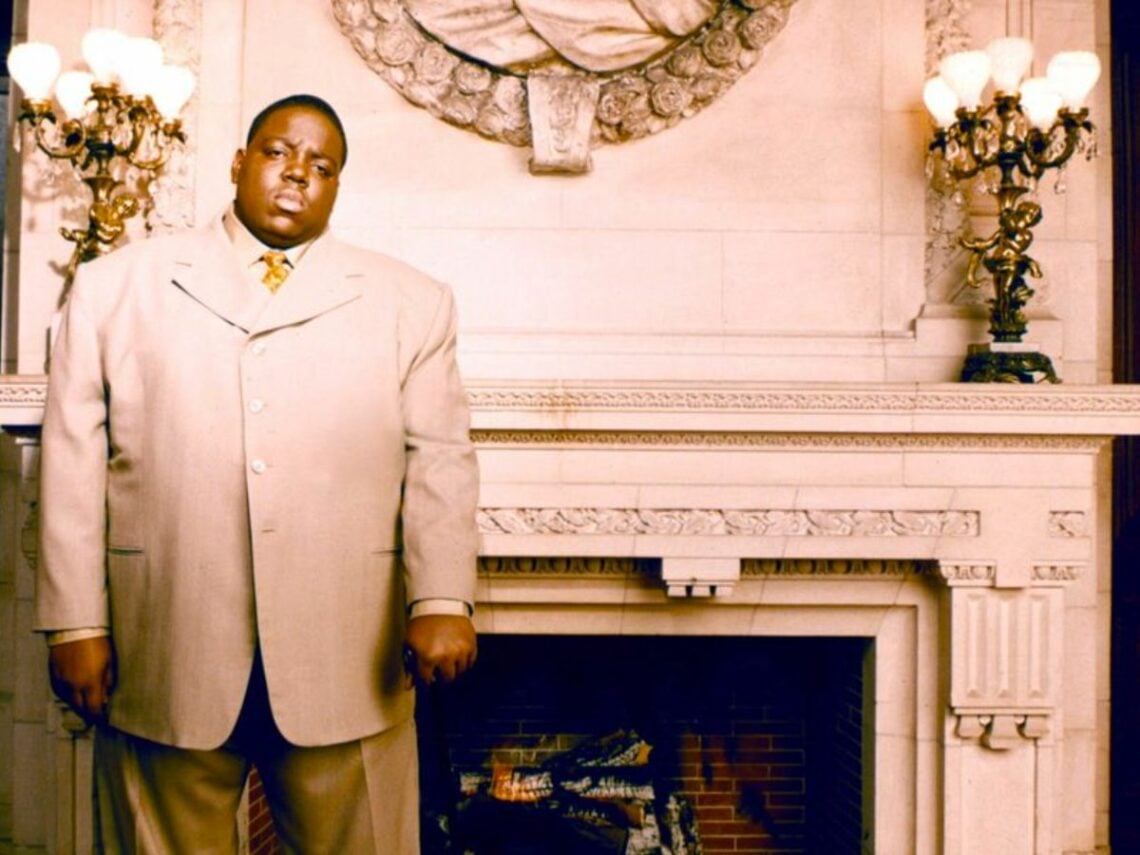
The story behind Biggie Smalls’ song ‘Kick in the Door’
When Biggie Smalls sang the vocals to his song ‘Kick in the Door’, he was not just making another song for Life After Death. He was issuing a warning, not to the world, whose attention he already had, but to the rap elite, the ones who talked behind closed doors and believed they could enter his shadow and call it sunlight.
The beat is a case of a sledgehammer on a steel gate, and Christopher Wallace does not walk in but he stomps around, knowing perfectly what this song would be when it was let onto the street. However, all this might not have happened had the beat that grounds it not been saved from the bin.
DJ Premier constructed the beat and almost threw it away before recording it on tape. He had sampled Screamin’ Jay Hawkins’ ‘I Put a Spell on You’, distorted it, thrown it over some drums that had the feel of being dragged through tunnels in the subway, and gave it to Bad Boy on a cassette. Ready to Die had already seen the production of Premier on ‘Unbelievable, and it was clear he and Big had chemistry. The following one was supposed to go even tougher, but Puff Daddy wasn’t a fan of the beat, unable to see the potential, and he urged Premier to come with something large enough to accommodate Biggie.
Premier didn’t argue with Diddy as it wasn’t his call, but he recalled that Biggie had called him later in the day and instructed the producer to turn up to D&D Studios that night, setting aside the fact that Diddy desired radio hits, for the beat worked for him, and he wanted to draw blood with it.
Biggie entered the studio in a wheelchair, a car accident having left him with a broken leg, languishing and unable to stand, but that was where the limitations ended. He sat in the booth as a general watching the battlefield while Premier observed him read the verses, serene, alert and sans remonstrance or resistance. The rapper already had the track chalked out in his head, hence the verses came sharp with no hint of panicked revisions, mostly as one-takes, at best two, and that was all he needed.
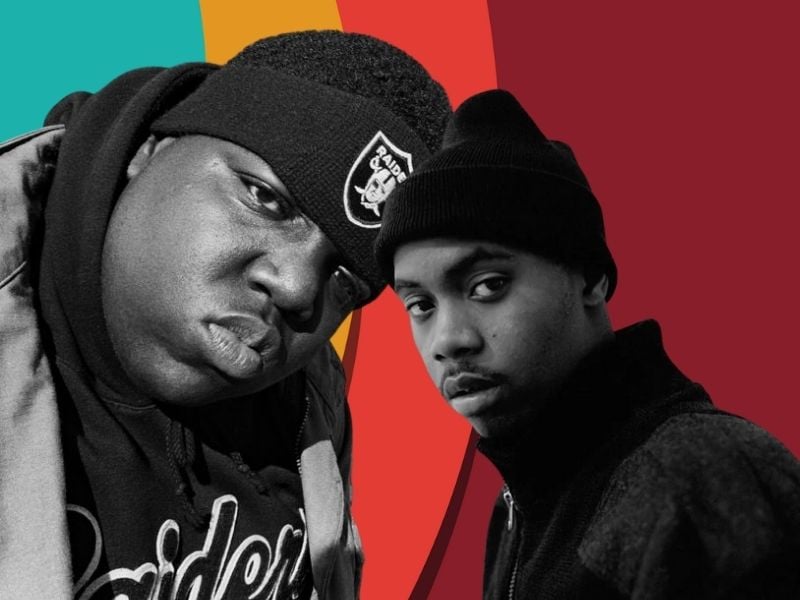
Even after such serendipitous origins, the song nearly did not make it to the album. There’s no hook, no breaks, no smile for the cameras moments, only Biggie, by the book and locked in, constructing a lyrical guillotine and daring anybody to put their neck out. Right from the beginning when he spits, “Your reign on the top was short like leprechauns”, the tone is established as not just another diss track to air a rap beef on social media that you see nowadays; it’s more surgical than that. It wasn’t just personal, it was protocol.
The verse concerning leprechauns was directed towards Nas, at least that is what everybody believed, a drug of a response to ‘The Message’, where the former had crowned himself “king”. To share the throne was not one of Biggie’s strongest suits, as he retorted, “There are no other kings in this rap business, they brothers, only my children”. Not a shot was taken with name-calling but rather the idea of a coronation was slighted with a backhand.
He didn’t announce beef but veiled his verses in aggression that everyone could hear, and not all were made to reply.
Allah and Jeru the Damaja took one square in the mouth courtesy of the line “Son I am amazed that you run with them”, which was directed at Premier, Jeru’s long-time co-worker. Biggie was transparent enough that he did not mind calling out the producer who was ten feet away in the studio with him, nor did he fear disrespecting a fellow beat-boxer. He continued on his warpath with “I believe they got c*m in them, must be nothing but dicks” for some vulgar, unhappy talk that neutralised any potential misinterpretation of his message. Premier didn’t flinch; he merely laughed for he knew the code, and this was not a betrayal but hip-hop in its purest form.
Then it was time for Raekwon and Ghostface who had sprouted some slick remarks on his style, cover art, and the direction his image was taking. They did not call any names, but they did not have to, and neither did Biggie, who simply noted, “This is addressed to those that prefer to adopt the use of disrespectful opinions about the King of New York”, keeping it cold, clear and all business.
This song is not all about disses though; it’s about ownership. All the bars make the point that Biggie was not an observer of the scene but its architect, and the power between the lines is lent by the silence of the unsaid. Premier’s beat offers the perfect scaffolding for this as it plods along, methodical and merciless, with some deliberate unfinished edges to elevate the tension, and it is this stress that makes the song everlasting.
It wasn’t a chart-topping commercial hit—the required numbers were attended to by the success of Life After Death—but ‘Kick in the Door’ left its mark in the DNA of East Coast rap. It is the type of song rappers study before going into the booth. All lines in it are the blueprint to dominating without screaming, threatening without moving, and a masterclass in ruining a person without even calling them.
The context is what makes it even more iconic. Biggie captured it when it was broken physically, injured and in pain, and yet there is not a trace of weakness in the vocals. That wheelchair session was more of a flex, if anything, evidence that even when he was at his weakest and unable to move, he could still command the room.
The song that almost got abandoned became the one that made the sound to move a generation, and when he said, “This is my house. runnin'”, it was not a question but a reminder that he already had the keys.