

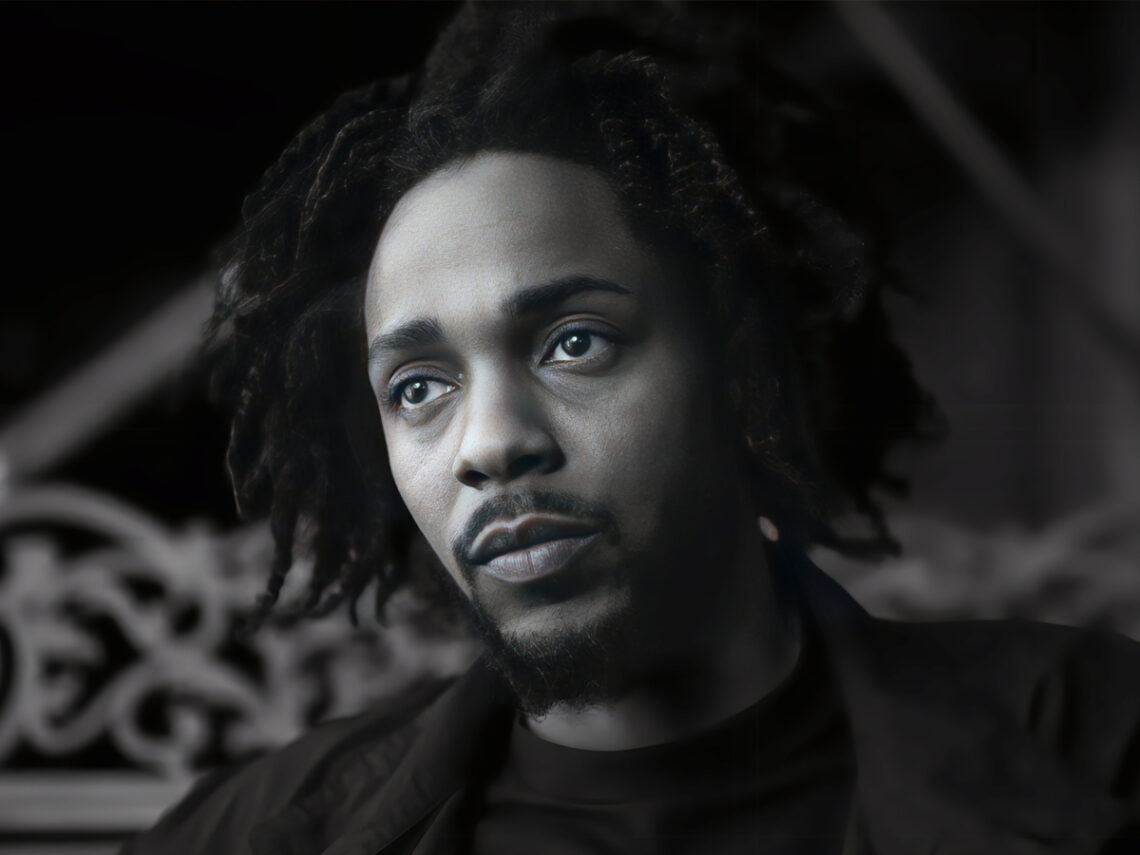
The rapper who told Kendrick Lamar to change his name from K. Dot
A nervous teenager, Kendrick Lamar, in one of the Compton living rooms, was sitting down facing one of the biggest stars in the city, with his cassette in his hand. The Game, the hometown heavyweight, who had elevated The Documentary to number one and brought Compton pride into the 2000s, was opposite him.
The young rapper continued to use the name K.Dot, which had worked in his favour in his early mixtapes but now only appeared to be holding him back. Game leaned back, and looked at him a minute, and said what was to be life-changing words. “They are not going to know you”, he said. “They will be like, what is a K.Dot?” Then, like a big brother, he said: “Change your name to Kendrick Lamar”.
It was not a reprimand, but advice. Game had watched so many MCs underachieve, and had experienced his own ups and downs. He believed that Kendrick was too talented to slip through the cracks. “What I have ever told him best”, Game thought afterwards.
Both came off the same streets, but Game had already made the walk of fame, with Dr Dre, 50 Cent as his mentor, and became one of the biggest rappers of his age. Inviting Kendrick over was not small talk when he did it. He was in a mood to give the type of mentoring the young Compton artist would never forget.
To Kendrick, the suggestion sank home. The decision was something he had been grappling with by himself, as he was not sure whether the name K.Dot summed him up. He confessed after several years, speaking for himself, that he “felt like a grown artist now – like using my own name now, my name, the name my mother gave me. This is the first step of letting the world know who I am and I am making a transition”. It was like discarding armour to discontinue the alias. K.Dot was this mask; Kendrick Lamar was a statement.
Following that dialogue, all was different. He was no longer like a local promising act. He spoke as a missionary man. This re-naming gave way to the actual film, good kid, m.A.A.d city, which documented his own streets that made him what and who he is today. Authenticity was now his weapon and the advice of The Game made him bold enough to use it. Reflectively, it was the time when Kendrick ceased to be a name on the come-up and became a legacy.
A name is not just a label in hip hop, but a manifesto. Other artists are developing through rebranding. Sean Combs changed his name to Puff Daddy, then P. Diddy, then Diddy and every change of name became a new chapter. When Snoop Dogg reinvented himself, he was dropping the Doggy and would even try Snoop Lion. Bow Wow notoriously lost the Lil because he had grown out of his image as a child star. The change did not, however, come cosmetically to Kendrick. It became the place where image and identity became truth.
According to The Game, who made fun of this later, “it was Dre who attended school as well, but I made sure he did it”. His advice had changed the history of hip hop, whether he at that point realised it or not. It is something that K.Dot could have been without being another mixtape name in Compton. Together, Kendrick Lamar emerged the narrator, philosopher and Pulitzer-winning artist we recognise today, a man whose name had at last placed the placard of his voice.