

How Run-DMC used their shoes to transform hip hop forever on July 19th, 1986
The brand endorsement deal is just a typical feature of hip hop culture these days, almost taken for granted as being totally normal, but it wasn’t always so and began with Run-DMC.
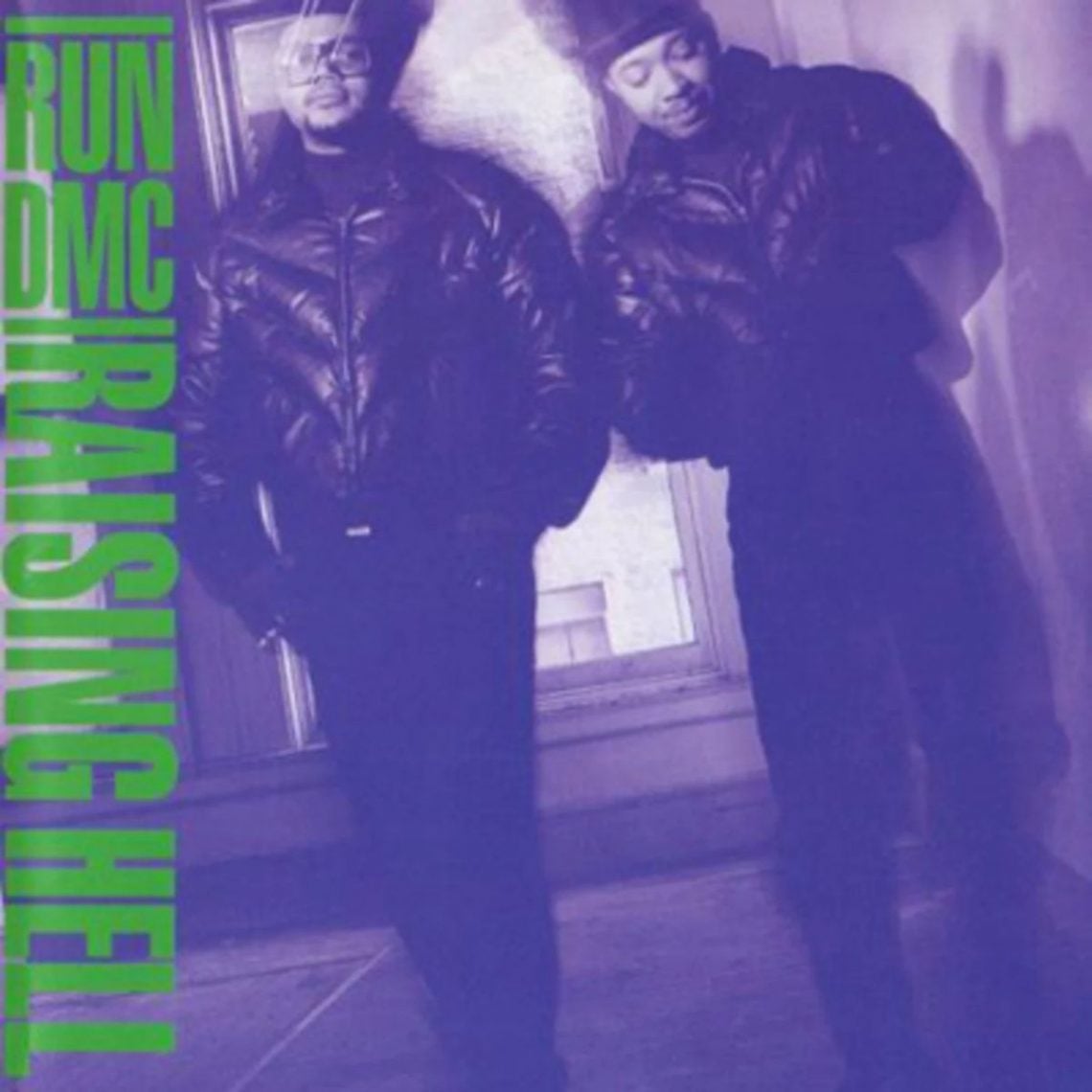
On their third album, 1986’s Raising Hell, Run-DMC included a track called ‘My Adidas’, which, innocently enough, was about the group’s Adidas sneakers. As DMC revealed during a 2014 interview with Complex, the lyrics were actually responding to a doctor and activist who had been working in the group’s neighbourhood.
This doctor, DMC recalled, had been arguing that the “youth” of the era, who wore “Lee jeans and Kangol hats and gold chains and Pumas and Adidas without shoe laces”, were necessarily “thugs”. They were “drug dealers” and “low-lifes of the community”. This was a message Run-DMC did not take kindly to, so they hit back.
They decided to write a song about their sneakers, but to “put a positive spin on it” and to “throw it in the face” of this doctor. They wanted to make it clear that, even if young people were dressing in a certain way at the time, it shouldn’t be presumed that they were up to no good.
“Like, you can’t judge a book by its cover,” DMC said, “We’re young; we’re educated. A lot of us go to school; a lot of us have jobs”.
That was the initial intention behind the song, but it also served as a bit of promotion for Adidas. As DMC tells it, this eventually became apparent to Adidas execs, who, around the time that the song was blowing up, noted that the sales of their products were rising, too.
On July 19th, 1986, Run-DMC were scheduled to play a big gig in New York’s Madison Square Garden. The group’s manager, sensing an opportunity, decided that it would be a good idea to invite an Adidas executive along to the show. This exec, Angelo Anastasio, agreed to go.
During their performance of ‘My Adidas’, Run-DMC told their audience to hold up their Adidas shoes. The people in the crowd duly obliged, which, according to DMC, convinced him that a deal with Run-DMC was in everyone’s interests.
The first-ever endorsement deal between a musical act and an athletic company was duly struck, but it would be far from the last. It was simply the first instance of what is now a totally commonplace relationship between hip-hop stars and sports brands. For good or for ill, it is today a key part of the culture.