

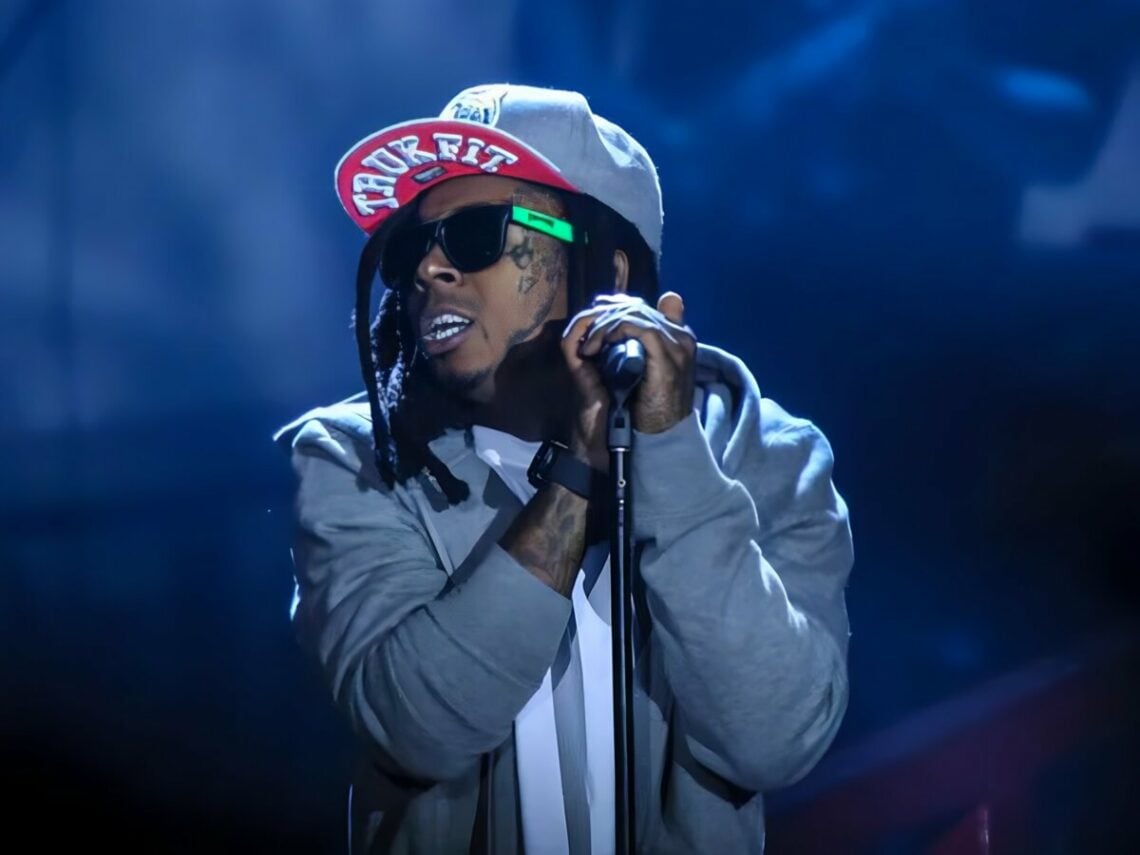
How Lil Wayne used mixtape culture to become a global star: “How are the streets selling it?”
The mixtape scene has changed a lot over the years, and the way they are made has also evolved. The notion of a mixtape is something that entered the hip-hop culture during the mid-1990s and continued to grow.
Before the turn of the millennium, mixtapes were vital to building a buzz and establishing one’s name as an up-and-coming hip-hop artist locally. Initially, as the term suggests, these projects were released on cassettes and distributed locally, and they were usually done independently.
Despite this, mixtapes weren’t only released by MCs but were often a way for DJs to show their mixing skills by compiling the most popular songs and creating one non-stop track comprised of all the best records released.
DJs such as Funkmaster Flex and DJ Kay Slay made their name on the East Coast by creating underground mixtapes. Sometimes, they would ask rappers to record exclusive material for their cassette, and on occasion, they would even get access to unreleased tracks, all of which led to a surge in demand for their tapes.
On the West Coast, DJs such as DJ Quik followed a similar blueprint, and in the South, DJ Screw had his own unique way of remixing already popular songs, which led to the Houston “Chopped & Screwed” sound with hit tracks slowed down and rearranged.
When mixtapes were first made, they were usually tapes of songs mixed by DJs. However, as DJs began to become less important, lyricists started covering already-popping songs by rapping over their respective instrumentals. This began on the East Coast in the late 1990s, but 50 Cent accelerated this trend.
That said, although 50 Cent did this on a huge scale in New York’s tri-state region, by the mid-2000s, Lil Wayne had done this and taken it nationwide. Lil Wayne had one of the most successful mixtape runs in rap history, having released over 29 mixtapes in his career.

He did so by taking advantage of the internet’s revolution in distribution. Cash Money had signed a distribution deal with Universal, meaning that any music it produced would reach every record store in the US. As such, while he was signed to the label, the rapper flooded the South with his classic underground mixtapes.
Due to the fact he already had a buzz from touring on the underground across the South, tracks from his mixtapes received heavy airplay throughout the ‘Dixies’. Unlike 50 Cent, who built his buzz in the most important US city, Lil Wayne captured local radio stations in over seven states and was running hip-hop in all states South of Virginia.
With an abundance of physical mixtapes on the streets and the power of DJ Drama behind him, it was impossible to stop Wayne, and the rise of platforms such as MySpace made it even more difficult for people to compete.
In a 2017 interview with Billboard about mixtapes, DJ Drama reflected on this era and explained, “Mixtapes destroyed the demo tape; nobody cared about your demo tape anymore; it was like, ‘What are you doing with your mixtape, and how are the streets selling it?”
He then proceeded to explain how 50 Cent began the culture of covering other people’s tracks and how that propelled MCs like Lil Wayne, stating, “There was the era from Clue and Doo Wop when so many rappers came and spit 16s on beats that weren’t theirs, into 50 turning them into his own records. Instead of just spitting a 16, he started to re-do people’s hooks and make his own songs to the point where, as DJs, we wanted to play his versions in the club. From the 50 [Cent’s] era, that’s pretty much when it became a street album.
DJ Drama founded Gangsta Grillz, a mixtape production company that helped MCs curate tapes that would be well-received by the streets. Lil Wayne worked extensively with DJ Drama. 29 mixtapes may sound a bit excessive. However, the South is very loyal to its artists, and, more often than not, Lil Wayne’s covers of hit tracks became more popular in cities such as Atlanta and Houston than the originals.
The Young Money founder’s mixtapes travelled across the US and spread like wildfire. As such, he was soon signed to Atlantic and quickly became a global superstar.