

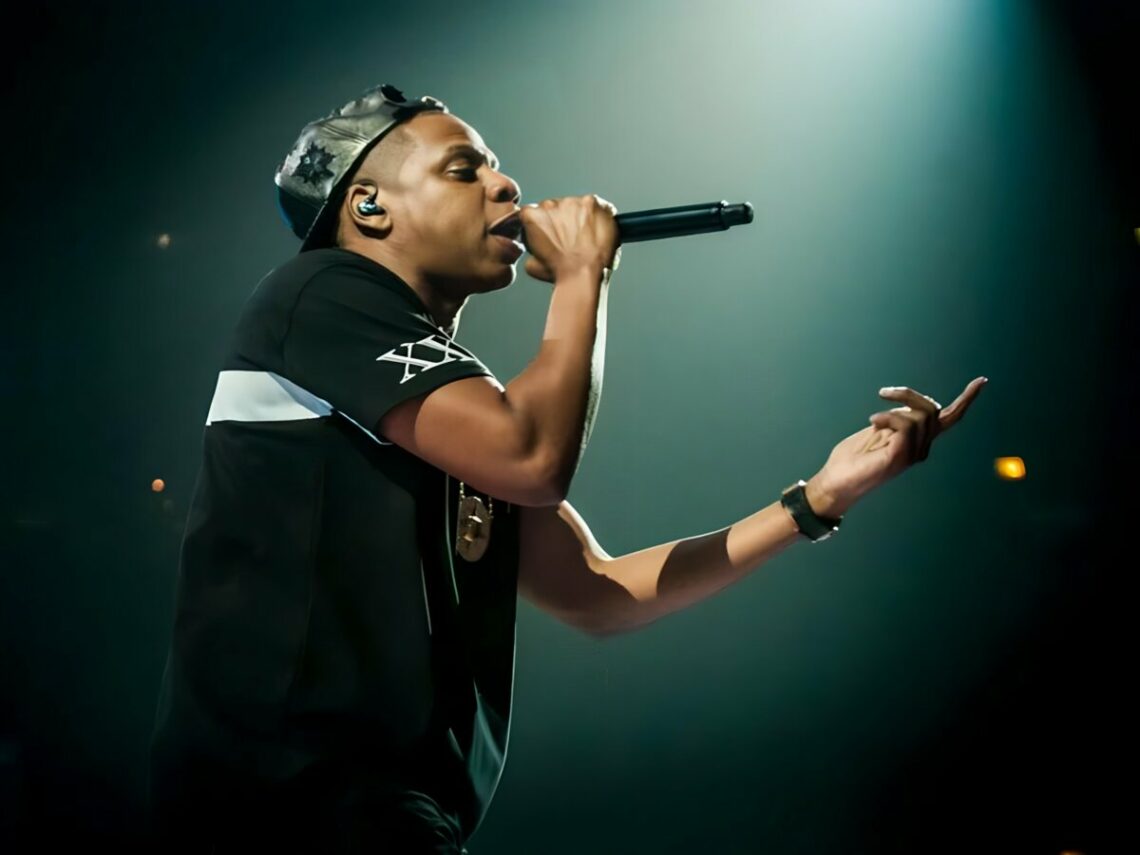
How Jay-Z sold a million copies of ‘Magna Carta Holy Grail’ before it was released
It was not an album announcement. It was a shot across the bow of the entire music industry. On June 16th, 2013, in the middle of the NBA Finals, a three-minute commercial aired that showed Jay-Z in the studio with Timbaland, Pharrell Williams, Swizz Beatz and Rick Rubin. Over dim light and rolling bass, the rapper declared it was time for “new rules”. Then came the reveal. His twelfth studio album, Magna Carta Holy Grail, would arrive on July 4th, but a million Samsung Galaxy owners would get it three days early, and at no cost.
It sounded like a giveaway. In truth, it was one of the most lucrative deals in modern music. Samsung had purchased one million digital copies in advance, reportedly paying around $5 each. That meant $5 million in revenue for Jay-Z before the public even had the chance to buy it. These copies were loaded onto the Galaxy S III, Galaxy S4, and Galaxy Note II, which quickly became golden tickets. Owners could download a special app from the Google Play store that offered lyrics, artwork, and snippets before unlocking the full album at midnight on release day.
For fans, it was a freebie. For Jay-Z, it was Platinum on day one. For Samsung, it was a marketing coup. It was a way to link their devices with cultural cachet, to position themselves alongside a man who had built a career on commanding attention. The commercial did not just announce music; it sold the idea that owning a Galaxy made you part of an exclusive club.
There was, however, a technical hitch in the victory lap. The Billboard charts did not recognise the Samsung sales, as they were free to consumers. “We do not count free-to-consumers”, explained Nielsen SoundScan at the time. Jay-Z brushed it off with a sly tweet the next day: “If 1million records get sold and Billboard does not report it, did it happen? Ha. #newrules”. The Recording Industry Association of America took a different stance. Within weeks, it changed its policy so that digital album sales could be certified on release day rather than waiting a month, as with physical copies. On July 4th, 2013, Magna Carta Holy Grail was certified Platinum.
When the album went on general sale on July 8th, it still topped the Billboard 200 with over half a million traditional sales, giving Jay-Z his thirteenth consecutive number one album. He had found a way to win twice: once by securing the corporate cheque and again by moving units to the public.
However, the campaign was not flawless. Heavy demand crashed the app for many users, and the album leaked online within hours, undercutting some of the exclusivity Samsung had paid for. Privacy advocates also criticised the app for requesting broad access to users’ data, from location to social media accounts. Jay-Z admitted in a Twitter Q&A that the app “must do better”. It was a reminder that blending music and technology brings risks as well as rewards.
Critics were split on the music itself. Some praised its grand production and confident delivery, while others saw it as a safe effort weighed down by the scale of its marketing. Comparisons to Kanye West’s boundary-pushing Yeezus, released just weeks earlier, often made Magna Carta seem more conventional. Yet as a business move, it was undeniably bold.
The wider industry took note. Years later, Rihanna partnered with Samsung to give away one million copies of ANTI, earning instant Platinum status. U2’s decision to deposit an album into every iTunes library in 2014, and the rise of streaming exclusives, all carried shades of what Jay-Z had pulled off. The deal also underscored the growing influence of tech companies in music, willing to spend heavily to align themselves with the right artist.
In the end, Magna Carta Holy Grail may not be remembered as Jay-Z’s most acclaimed work, but the way it was released remains a landmark moment. He sold a million albums before a single one hit the shelves, forced the RIAA to adapt to the digital age, and proved that in music, the rules are only as fixed as the artists with the power to change them.