

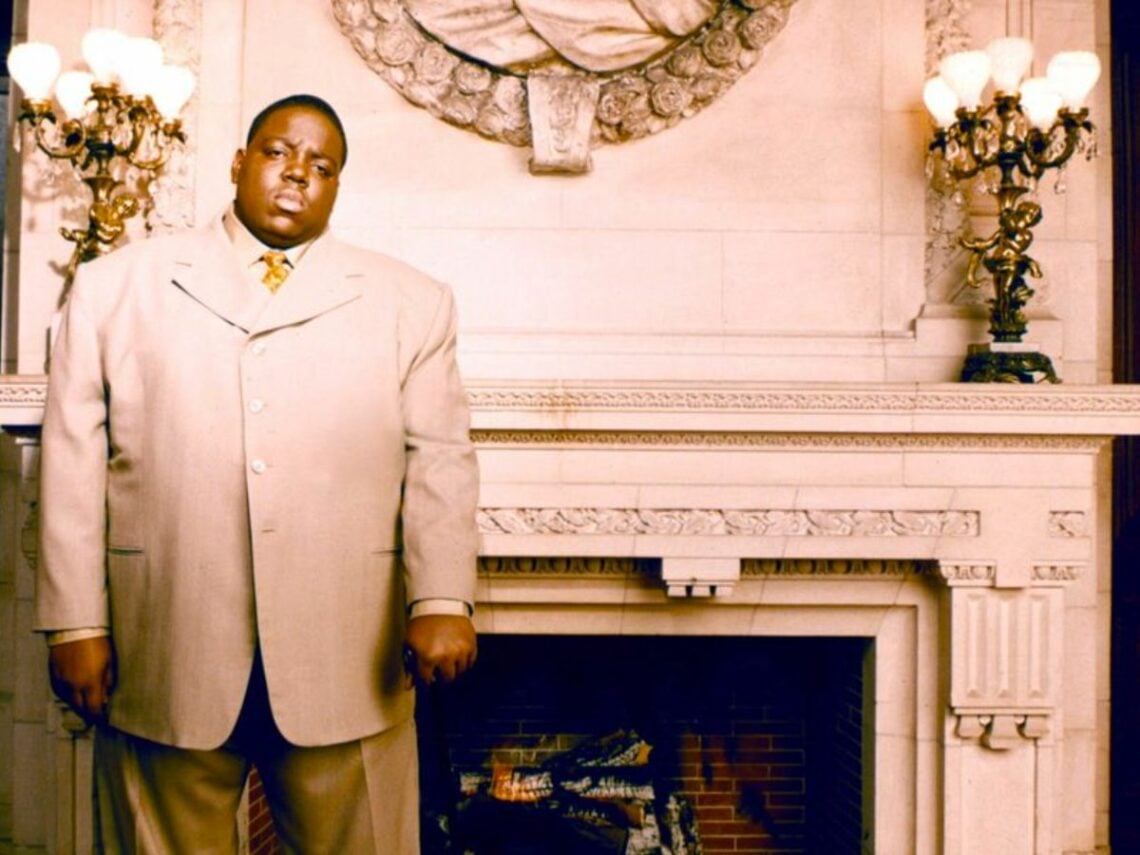
Did a last-minute decision ultimately kill Biggie Smalls?
What was meant to be the rapper’s next milestone, as Biggie Smalls was gearing up to release Life After Death, ended in a shooting that remains unsolved to this day.
With a short career lasting five years, the late Biggie Smalls, whose life tragically ended at 24, had such a profound impact on East Coast Hip Hop that it quickly marked him as one of the greats. His storytelling abilities, charisma and laid-back delivery style are still celebrated today.
Biggie’s strong autobiographical lyrical style detailed the realities of street life and his engagement with criminal activities in Brooklyn in the 1990s. Unfortunately, preparing for the release of Life After Death was a massive celebration that took a devastating and fatal turn.
By 1997, Christopher Wallace, AKA Biggie Smalls, had been dealing with the escalation of the beef with his former friend turned enemy, Tupac Shakur. Tupac had tragically been shot a year prior in September 1996. Ready to make amends and settle their career-defining feud, the new father was ready to discuss his revised direction and release the weight of his grief through Life After Death.
The album begins where its predecessor, Ready to Die, left off. Songs like ‘Hypnotise’ were instant favourites, sung repeatedly by Aaliyah and Missy Elliot at the listening party at the Petersen Automotive Museum, New York. However, the party was shortly shut down by the fire department, and Wallace and his right-hand man Sean ‘Diddy’ Combs left the venue.
The shooting
After deciding to go back to their hotel room, three cars waited for them. Combs jumped into the first car while Wallace got into the passenger seat of the second one.
Surrounded by bodyguards, his driver Gregory Young and a couple of his friends in the back got in. The second car headed towards the hotel, following closely behind Combs, who swiftly made through the yellow light at the intersection of Wilshire Boulevard and Fairfax Avenue while Wallace’s group were left waiting at the beaming red light.
Unexpectedly, a Toyota made a sudden U-turn and pulled up behind the third car, and a dark Chevy Impala pulled up directly next to Wallace’s. Upon making eye contact with the rapper, a man in a blue suit unloaded the firearm at him and fled the scene. Combs, hearing the gunshots, raced back but was left horrified to find Biggie bleeding out on the dashboard.
Biggie’s legacy
Four bullets had hit Biggie. Despite receiving immediate medical attention and undergoing emergency surgery, the hits proved fatal. Biggie’s family and friends were left shell-shocked as what was meant to be a celebration of the rapper turned into one of the most devastating nights in hip hop history.
Then, 16 days after the shooting, ironically, the aptly titled album Life After Death was released on March 25th, 1997. The album became an instant classic and quickly climbed its way to the top of the charts. What followed was a controversial investigation where justice was never served.
Like Tupac, Biggie’s case remains unsolved. Both artists never lived to reach their peak or enjoy the fruits of their labour. Yet their legacies and impact on hip hop remain undisputed, while also being a harsh reminder of their credible yet unsuccessful attempt to end the violence that they became victims of.