

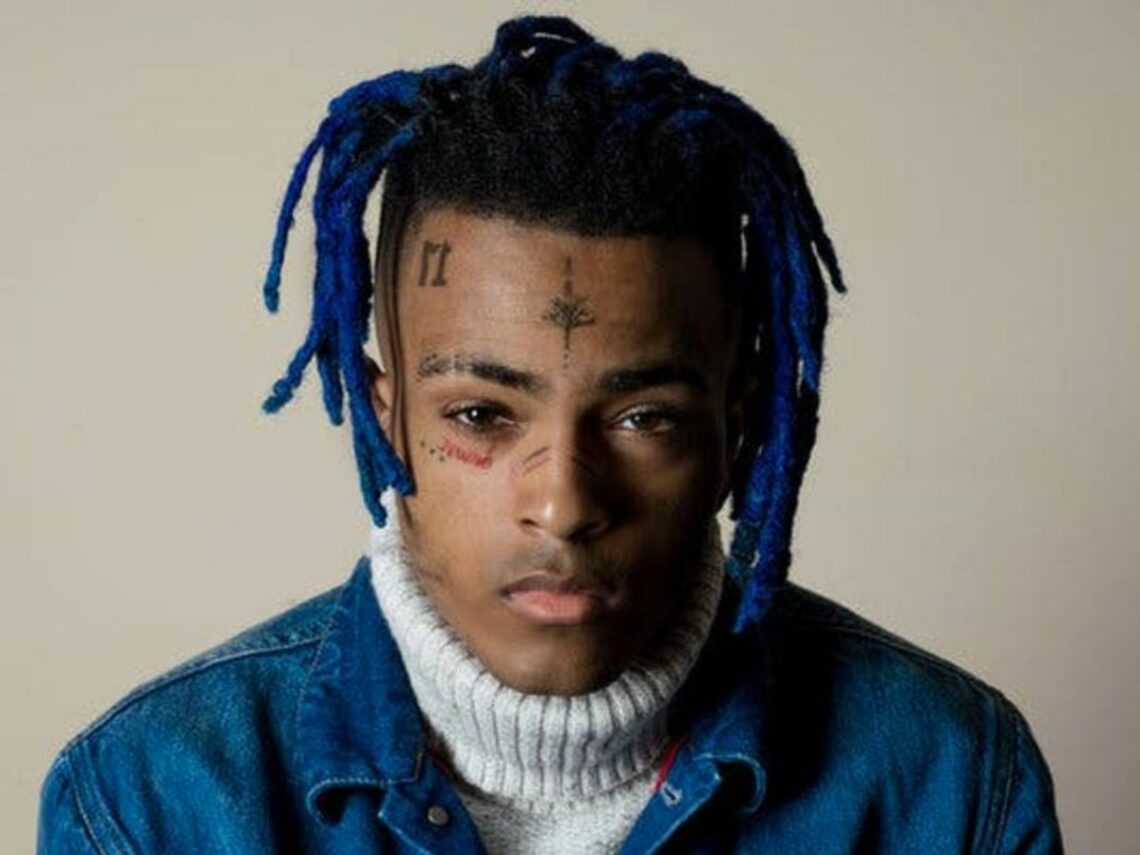
The tragic moment XXXTentacion foreshadowed his own death
It is a sad reality that violence is synonymous with hip-hop. Whilst some are lucky to avoid serious consequences after life-threatening attacks, for example, Lil Tjay, who barely escaped with his life following a shooting in 2022, others are less fortunate. In the case of XXXTentacion, who was killed in what was labelled as a robbery attempt in 2018, there was another layer to the story.
Before his death, which was caused by a drive-by shooting, the man formerly known as Jahseh Onfroy, predicted that this could be a possibility. Following the fatal shooting, fans shared an undated video, which was posted to Instagram, in which the rapper spoke about what he wanted his legacy to be after he was gone.
“If worse thing comes to worst, and I fucking die or some shit and I’m not able to see out my dreams, I at least want to know that the kids perceived my message and were able to make something of themselves and able to take my message and use it and turn it into something positive and to at least have a good life,” he said.
“If I’m going to die or ever be a sacrifice, I want to make sure that my life made at least 5million kids happy or they found some sort of answers or resolve in my life regardless of the negative around my name, regardless of the bad things people say to me.”
His legacy, despite the eventual cause of his demise, is complicated. The rapper was accused of homophobia after admitting on the No Jumper podcast to beating his juvy cellmate to within an inch of his life upon suspicion that he was gay. “Don’t think I’m trying to be fucking cliché or a weirdo when I say this, but I was going crazy,” he said. “Like, I smear his blood on my face, in my hands, I got it in my nails, bro, I had it all over me.”
Other instances have also raised concern, including the music video for his viral hit ‘Look at Me’, which contains a violent dramatisation of the lynching of a white child, domestic violence charges against his pregnant girlfriend, and alleged witness tampering, which landed him under house arrest.
Still, controversies aside, the larger issue is that he knew to some degree that this was coming, perhaps due to his misgivings about a criminal nature or as an inevitability of being a part of an industry rooted in conflict. It poses the larger question of whether hip hop is always doomed to be consumed by violence or if the genre can step away from the drama and focus on the music.
In either case, when it comes to his legacy, we arrive at our usual conundrum. Can we separate the art from the artist?