

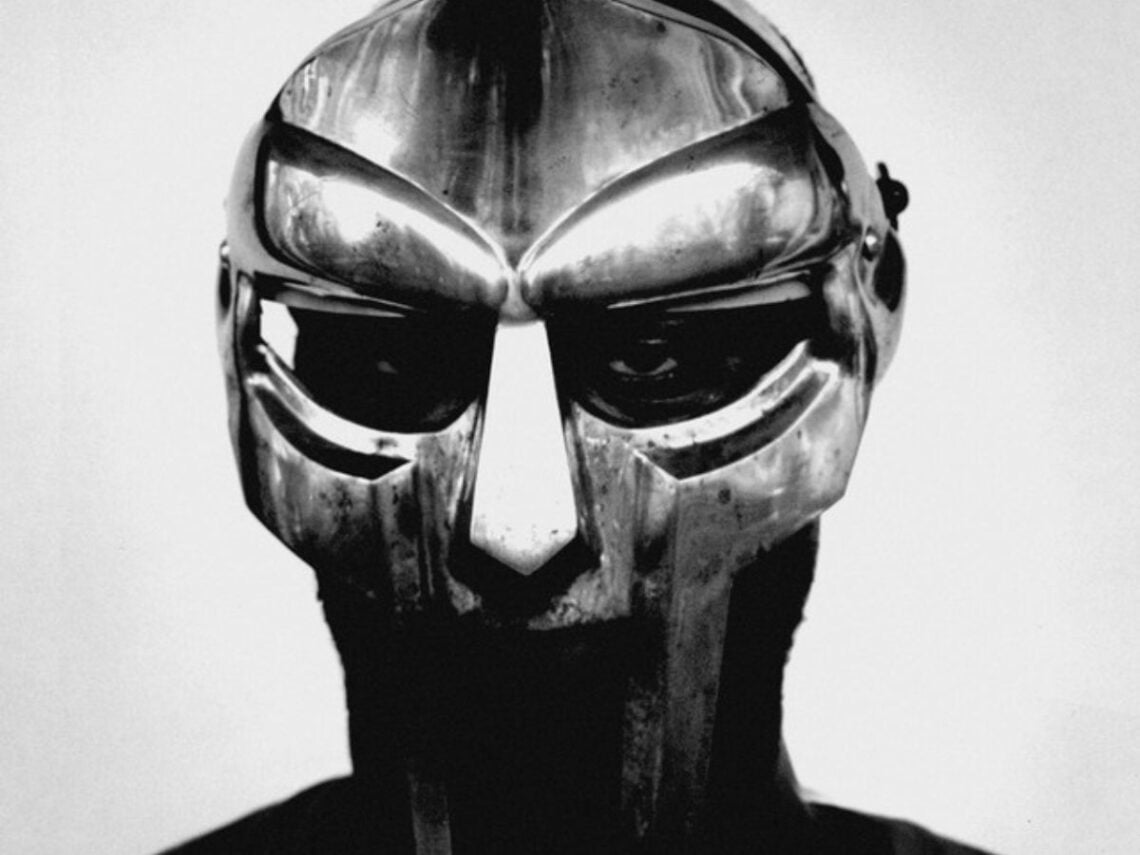
Why was MF DOOM banned from the US in 2010?
MF Doom was a legend of East Coast alternative hip-hop, but, despite his New York sound and upbringing, he wasn’t technically an American. Born in England, where, in 2020, he ultimately died, Doom’s adult life was spent trapped in a Kafkaesque web of immigration-related bureaucracy that kept him from becoming a citizen of the country in which he grew up.
Following his death in 2020, aged 49, Pitchfork accessed US Citizenship and Immigration Services (USCIS) documents related to Doom, whose real name was Daniel Dumile, to dig into the specifics of his legal status within the US. It found that, for Doom, things started to get complicated right away, while he was still a newborn infant.
Just over a month after his birth in London on July 13, 1971, Doom and his family travelled to Long Beach, New York. The infant Doom was permitted entry to the US on a tourist visa, which was due to expire on February 26, 1972. He and his family remained in the country after that date, before, when Doom was three, his mother tried to acquire the appropriate residency status for her son.
She undertook the first steps in that endeavour, but, when it came down to filing a particular application for permanent residency, she wavered. No application was entered, so the federal government eventually classified the young Doom as a “deportable alien.” Pitchfork found in the documents’ notes that the reason that his mother had failed to file the appropriate paperwork was down to a lack of funds to do so.
Doom ultimately grew up in America without his residency status ever being resolved. He started a hip-hop group with his brother and a friend, KMD, which gave him his first taste of musical success. But when his brother was run over and killed aged just 19, Doom fell into a terrible grief and found himself getting into trouble. He was arrested on assault charges in 1994, which, to a Customs and Border Protection (CBP) officer in 2010, he would later characterise as “an argument” in which “the other person got hurt.” He pleaded guilty to a lesser assault charge and was fined and served probation.
Over the following years, the MF Doom alter ego really came into being and he started finding success as a rapper. But he was also subject to legal issues, including when he was charged with possession of narcotics with intent to distribute. “I was on a bus traveling, and the controlled substance was on the bus and nobody claimed it,” he explained to the CBP of the incident in 2010. “And I guess I was sitting the closest.” The charges were eventually dismissed.
By 2004 MF Doom was recognised as one of alternative hip-hop’s most interesting, innovative figures, but his residency status was still a problem. That April he tried to enter the US following a stay in Toronto, when he was subject to an immigration pre-flight inspection. Doom reportedly claimed that he was under the impression that he was a US citizen, but this marked the moment when he realised that was not actually the case. He was, on this occasion, provisionally granted entry to the US.
Doom began to make attempts to resolve his residency status from this point on. With the help of a legal representative, he contacted the USCIS and provided evidence that they believed proved he was eligible to become a permanent resident of the US. But the USCIS, in July 2005, contacted him to request “additional evidence” that proved he had been present in the US before 1972. Such evidence could include “household bills, rental/lease agreements, [and] bank records,” but Doom had been an infant in 1972. He didn’t have access to any of these things.
In November 2005, citing the fact that he had failed to provide this additional evidence, the USCIS denied Doom’s permanent residency application. The USCIS stated that he could not appeal the decision, but that he could file a motion to reopen or reconsider the case within a month. Doom later claimed to the CBP that he had never been told about this, and that his attorney had failed to acknowledge his questions about it. He never reopened the case.
Doom was arrested in Austin, Texas, the month after his application had been denied. He was charged with unlawfully carrying a weapon in a prohibited place, but, as he argued to the CBP in 2010, this was based on a misunderstanding. He’d been caught with brass knuckles, which were a part of his stage act. He was ultimately released without being prosecuted.
In March 2010, Doom returned to the US following a European tour. He re-entered the country under a tourist visa waiver, but, later in the year, following another period abroad, he was denied re-entry to the United States under this same tourist visa waiver. It had worked fine months previously, but, apparently, that first time had been an error. In any case, he wasn’t getting in now.
The reasons cited were, first of all, that Doom was an immigrant without an immigrant visa; second, that had previously been convicted of a “crime involving moral turpitude,” which probably relates to his assault charge in 1995; and third, that he had an “over one-year unlawful presence” in the United States. Doom returned to the UK, attempting to get into America again in 2012—but failing. He was denied entry, and that, it seems, marked the last time he ever tried to go back. The frustrating bureaucracy and costs of the American immigration system ultimately prevented him from entering the country that he had called home since his infancy.