

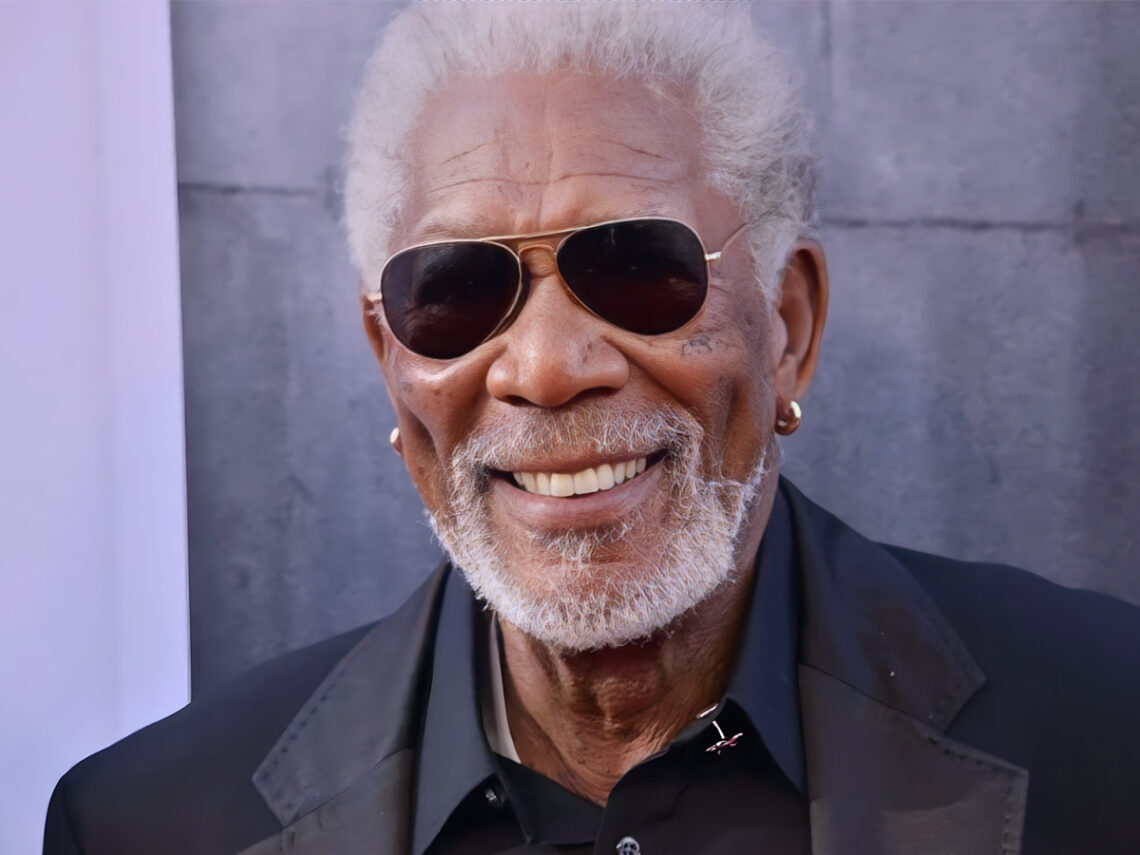
Why Morgan Freeman jumped at the chance to work with 21 Savage
It reads like the prelude to a joke: 83-year-old Oscar-winning actor narrating a trap album by a 27-year-old Atlanta rapper.
However, somehow, when Savage Mode II was released in 2020, the voice of God, as baritoned by Morgan Freeman, sliding over 21 Savage and Metro Boomin’s malevolent tunes, seemed like an inevitability. He had the right voice to give such a thing instant gravitas, but this was no game, for he was part of the album because he was willing to be there to push himself and cross over into realms few believed he would ever enter.
Even gods grow weary of holiness, and Freeman established his reputation as a kind of moral compass of cinema before finally confessing he was tired of being stereotyped as a sage or hero. Even old legends such as Henry Fonda and James Stewart got locked into a position, as he told GQ, so he grabbed the opportunity when 21 Savage made the call, noting, “Any proposal not of your mould is pleasant to execute. I got to jump at it”.
The writing was the surprise, at least afterwards, as Freeman described the interludes in the album were delivered by a script, which he believed had wisdom to it, and he was right. His monologues, particularly on ‘Snitches and Rats’, are like morality stories, with the explanation of codes of loyalty and self-respect delivered with Shakespearean seriousness: “No less a fing rat is a snitch, at least he is human, but a rat is a fing rat, period”. It is preposterous, attractive and fully realistic. To Freeman, that was the allure; the words had a moral weight to them, talking of ambition, pride and consequence, contributing to Freeman being conscious of the symbolism of his voice.
He was the voice of sanity and power, the historian of the world itself, for decades, and taking that weight to a contemporary trap track made Savage Mode II sound like a movie. The interludes were taped at home on his iPhone during lockdown, a punkish act from a Hollywood icon who is keen to do his bit. This was a poetic contrast between an old statesman making voice memos against the architects of new-generation rap.
The tone is heard immediately when he opens with ‘Savage Mode’, and his lyrics make the album a tale of survival, deceit and ambition, and while the collaboration could have been reduced to a sham, it turned out to be a generational discussion. On the day of its release, the name Freeman trended on social media, with people joking against his joining Savage’s crew or shading his rivals, but behind the humour was admiration. He had made a rap album into an event through his narration.
The partnership was prophetic by the time the numbers came in, with Savage Mode II ranking at number one on the Billboard 200, and it received unanimous praise, with its features by Freeman being seen as motivated instead of hedonistic. His attitude transformed 21 Savage into a general preaching from the throne, and the production by Metro Boomin underlined it all with a cinematic air of threat.
It was he who said it: all opportunities to go outside the mould are to be availed, and when Morgan Freeman did it, the outcome was an opportunity to be unconventional, discover the truth in disorder and remind the world that there is no age to tell a story, relocating the voice of God in trap.