

Who had the best-selling rap album of 1997?
Celine Dion. George Michael. OK Computer by Radiohead; Spice by the Spice Girls. 1997 was a really exciting year for music, and the cultural impact of this singular year is still felt a near two decades later. Hip-hop not only broke the dam of the mainstream, but flooded it; pop music thrived across the world; and alternative and rock music shaped a counterculture that would come to define the period.
It was a year that commercial success was fused with creative evolution. Oasis’s Be Here Now was the best-selling album of the year in the UK, while the Spice Girls’ Spice dominated the States. But less about rock and pop, respectfully. What about hip-hop, a genre that also had a notably good year?
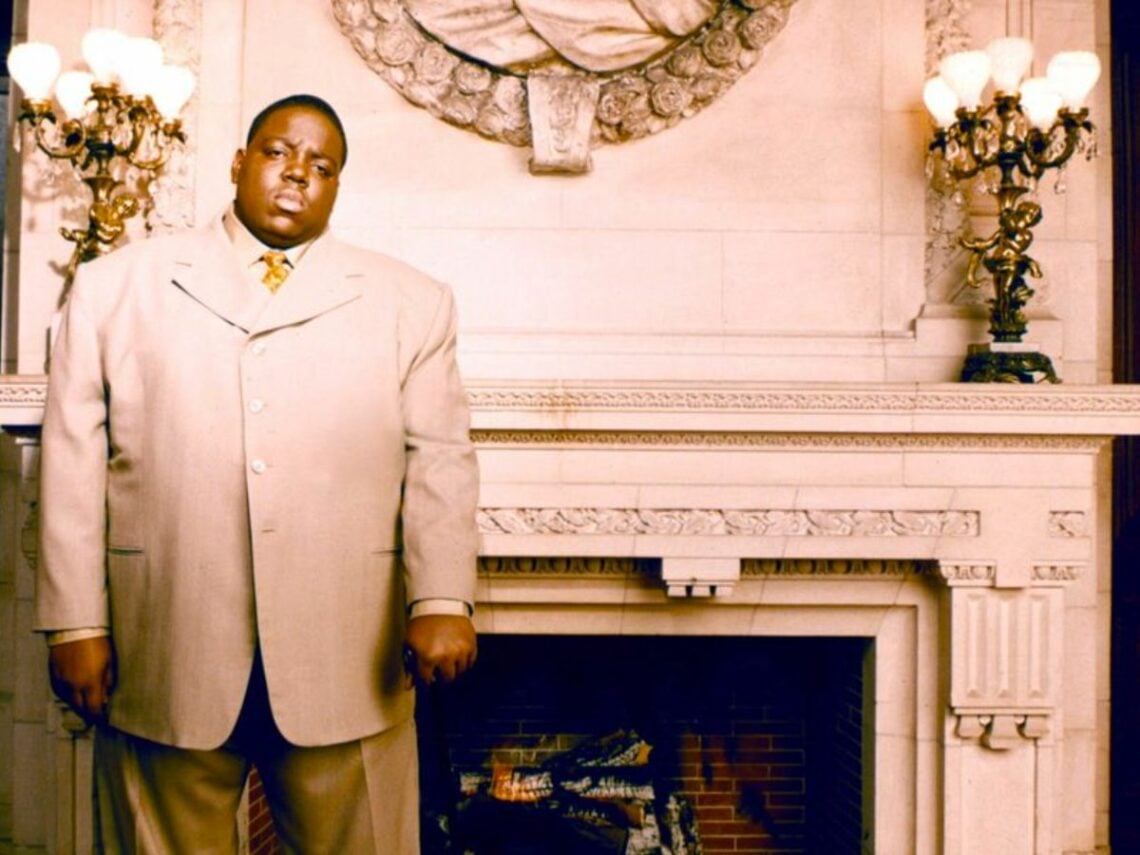
The best-selling rap album of 1997 was – as many may have guessed – The Notorious B.I.G.’s Life After Death. The second and final studio album by Biggie, it was released shortly after his death to extraordinary success.
The album debuted at number one on the Billboard 200 chart, reflecting both Biggie’s popularity and the massive anticipation surrounding the project. It sold millions of copies in a short period, quickly becoming one of the fastest-selling hip-hop albums of its era. Several singles from the album, such as the number one charting “Hypnotize” and “Mo Money Mo Problems”, also performed strongly on the charts, receiving heavy radio play and widespread recognition.
Today considered a landmark moment in not just the 90s hip-hop scene but within the history of the genre, the album captures Biggie at the height of his creative prowess. Life After Death is characterised by its sharp lyricism, vivid storytelling, and mainstream appeal. Designed as a double album, it is a reflection of the complexity of his identity, as both a street-hardened hustler and a global rap superstar.
And the production on Life After Death is equally crucial to understanding its contemporary and enduring success. The beats range from the dark and ominous to fresh and celebratory, which reinforces the album’s dual themes. This polished – yet undeniably gritty – sound helped define late-1990s East Coast hip-hop, and championed the presence of lyrical depth within commercial success. Collaborations with other artists, including Jay-Z, Lil’ Kim, R. Kelly, Puff Daddy and Bone Thugs-n-Harmony, amongst others, further expanded the album’s reach while keeping Biggie firmly at the centre.
“It sounded for the first time like an East Coast artist had been able to make the perfect record,” Busta Rhymes commented on the album. “It was a pop record, a radio record, a street record, a club record. It embodied every type of song that a hip-hop artist could make – would wish to make, would try to make – in one project. His death magnified the meaning, but ultimately the finished product was super-substantial.”
A near two decades on, the legacy of Life After Death is as immense as it is dimensional. As Rhymes said, the album is marked, but not characterised, by Biggie’s murder: but as a result, both the rapper and the album now exist in tandem in the public memory together. And its influence today can be heard in generations of rappers who have adopted Biggie’s smooth delivery and vivid narratives to a genre he led into the mainstream.