

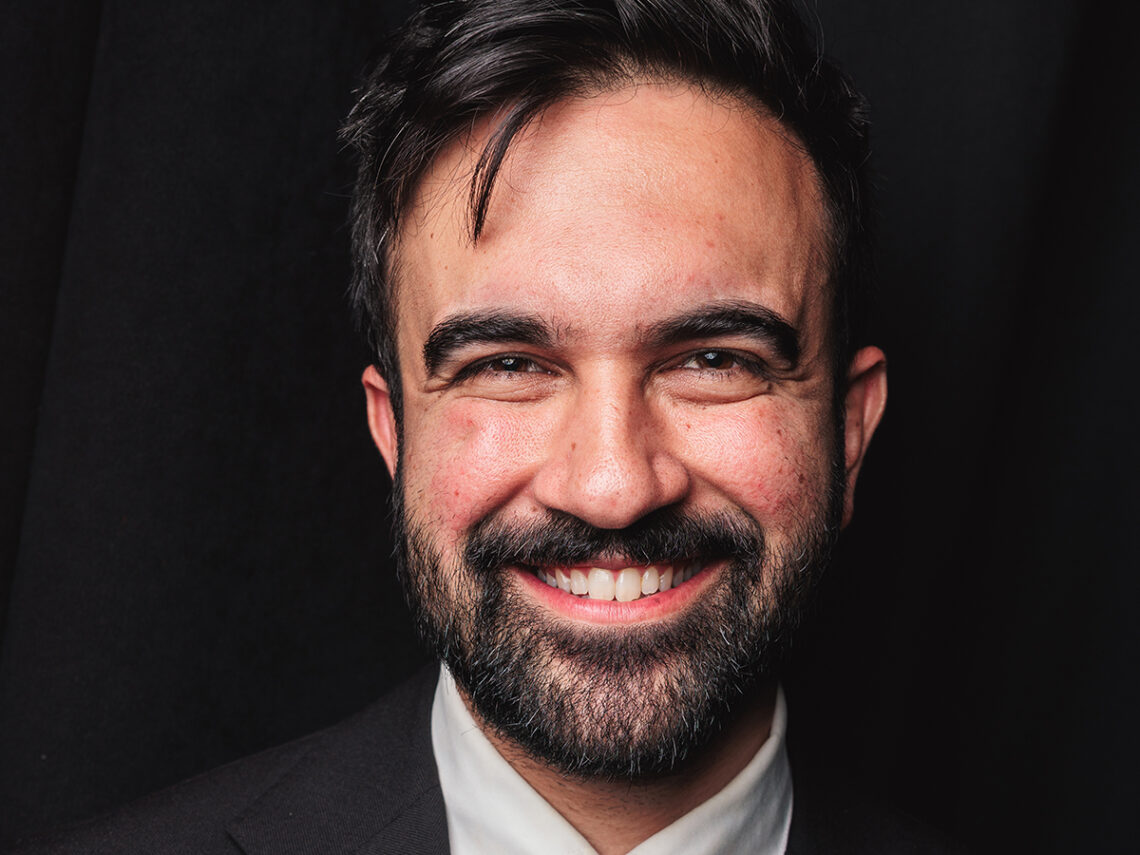
The Tupac Shakur line New York mayor Zohran Mamdani quoted to criticise Donald Trump’s Iran war
Zohran Mamdani, for obvious reasons, has spoken publicly about his love for New York and its culture, of which hip-hop is a key part.
Asked earlier this year who his favourite MCs are, the New York City mayor naturally reached for several pivotal figures from the city he now represents. As well as listing Chicago rappers Common and Lupe Fiasco, Mamdani also highlighted Nas, Jay-Z and Biggie Smalls as being among his all-time greats.
But despite his role as a rep for New York, Mamdani has since revealed his admiration for some West Coast lyricism, too. When recently criticising Donald Trump’s decision to illegally go to war in Iran, Mamdani reached for the words of Tupac Shakur to express his dismay.
Appearing on the Talk to Al Jazeera interview series last week, Mamdani framed his opposition to the US-Israeli war on Iran in moral terms. “We are speaking about a war that has killed thousands of civilians,” he said. “A war that is deeply unpopular across this city and across this country.”
Mamdani pointed towards the obscene amount of money being spent on this war, “tens of billions of dollars to kill people.” These sums, he said, could be better spent on “making life easier for people” in New York and across the United States in general.
It is on this subject of military spending that Mamdani referenced Tupac Shakur, who was known, especially during the earlier stages of his career, for his social consciousness and anti-imperial bent.
“Tupac said it decades ago, it continues to be true,” Mamdani said, “about the fact that we always seem to have money for war but not to feed the poor.”
Mamdani was drawing on Pac’s lyrics from ‘Keep Ya Head Up,’ which featured on Strictly 4 My N*GGAZ… in 1993. “You know, it’s funny when it rains it pours,” Pac raps on the track. “They got money for wars, but can’t feed the poor.”
This state of affairs, summed up so concisely by Pac all those years ago, is contrary to what the American public desires, Mamdani argued. It is “not the way politics should be. That is not what Americans want politics to be.”