

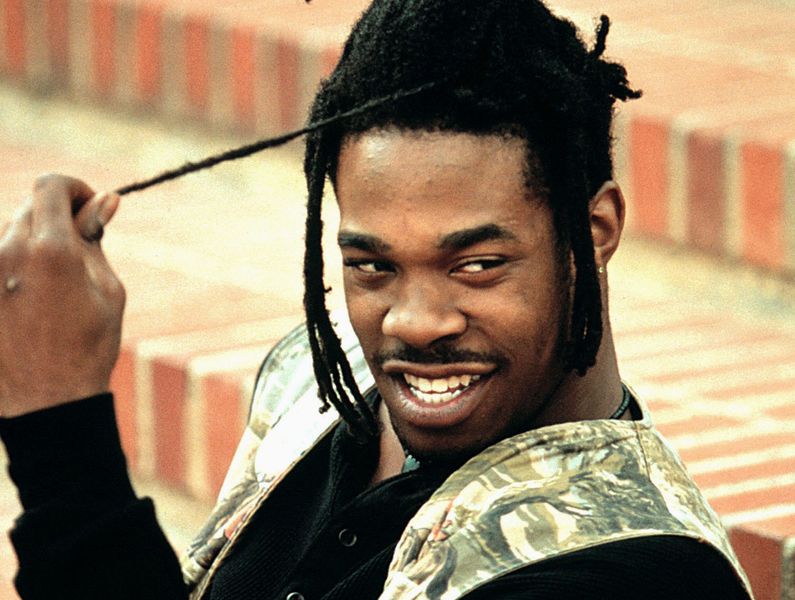
The rapper Busta Rhymes called a ‘superhero’: “Mind-blowing shit”
From the start, Busta Rhymes made it clear who shaped his path – yet one name stands apart in how he speaks of them: Chuck D. When talking to NME in 2020, his words almost turned legendary while describing the leader of Public Enemy. He didn’t just praise – he called him a superhero. Moments from his youth near the crew still hit hard; he described those times as mind-blowing stuff, nothing less.
Busta Rhymes studied in Brooklyn back then, navigating a scene where hip hop thrived on fierce rivalry. His days passed at George Westinghouse Career and Technical Education High School, walking the same corridors as Jay-Z and The Notorious B.I.G., both yet to rise. Energy crackled through every corner. Standing out mattered deeply, though clear minds understood raw ability would not carry anyone far.
Most kids headed home when classes ended. Not him – his route led straight to recording spaces buzzing with activity. Other teens lingered around neighbourhoods. He stepped inside rooms where Public Enemy shaped sound, observing tracks take shape under hands redefining hip-hop. These trips are repeated often. Busta himself called them regular, more instructive than any lesson behind school walls.
At the heart of that scene stood Chuck D, lead voice of Public Enemy. For a young person still shaping who they were, he seemed less like someone close in age, far more than just guidance. His stature appeared carved from stone. Busta once compared him and those around him to ancient warriors, towering forms whose confidence and build blurred the line between human and myth.
What stood out wasn’t just fame. The way Busta described the studio felt strict, guarded, yet full of sharp ideas. In Public Enemy’s space, things ran tight – focused, serious. Alcohol is absent. Substances nowhere. Disorder never took hold. Something else took its place – intense concentration, social dynamics, a near-scholarly attention to music’s influence. To someone just starting out in rap, this offered a model where creativity carried weight without losing purpose.
From the start, Busta’s connection to Chuck D ran deep. Early on, Chuck endorsed him directly – going so far as to hand over a name taken from football player Buster Rhymes. A minor act, yet one that opened doors. Not merely watching events unfold, Busta found himself pulled into the story. Recognition came quietly, through gestures others might overlook.
At these studios, different worlds of hip hop came together. Watching Ice Cube record AmeriKKKa’s Most Wanted there, alongside The Bomb Squad, left a strong impression on Busta. A young fan observing such moments saw boundaries between regions fade fast. West Coast intensity blended with sharp East Coast messaging, right before his eyes.
What stood out was how Busta talked about Chuck D’s voice. It wasn’t just loud – it felt sacred, like words spoken from a pulpit, powerful even when quiet. Scholars mention this commanding presence often when analysing Public Enemy’s impact. Still, what matters here is the impression it made. Though Busta later embraced wilder rhythms and sharper bursts of energy, his approach grew from noticing that grandeur, that purpose in sound, was noticed years before.
What shaped Public Enemy mattered just as much as their sound. Rooted in Black Power ideas, touched by the Nation of Islam, they saw music as both a lesson anda shield. Busta took in that mindset while carving out his own path. Style arrived slowly, the flash, the pace, the bold looks. But before any of that stood something deeper: intent.
Framed by chaos, yet shaped with purpose – that vision runs through much of Busta Rhymes’ work. Take albums such as Extinction Level Event or Anarchy: each turns on bold ideas, visions of collapse, and a shared pulse of crisis. Though sound may spiral into frenzy, structure stays intact. These releases act more like declarations than mere sequences of tracks.
Busta spoke openly about this connection, calling Public Enemy’s work a kind of sacred guide. Not just admiration – his view carried weight, shaped by routine, conviction. The label “gospel” wasn’t picked at random; it pointed to structure, consistency. His interest went beyond sound – he examined their process, purpose, the effort behind endurance.
A career defined by vivid presence, yet never hollow; full of motion, though always directed. Before records, before stages lit bright, there was a young observer studying giants up close. What stood out wasn’t loudness alone – it was belief rooted deep, routines followed strictly, purpose seen clearly.