

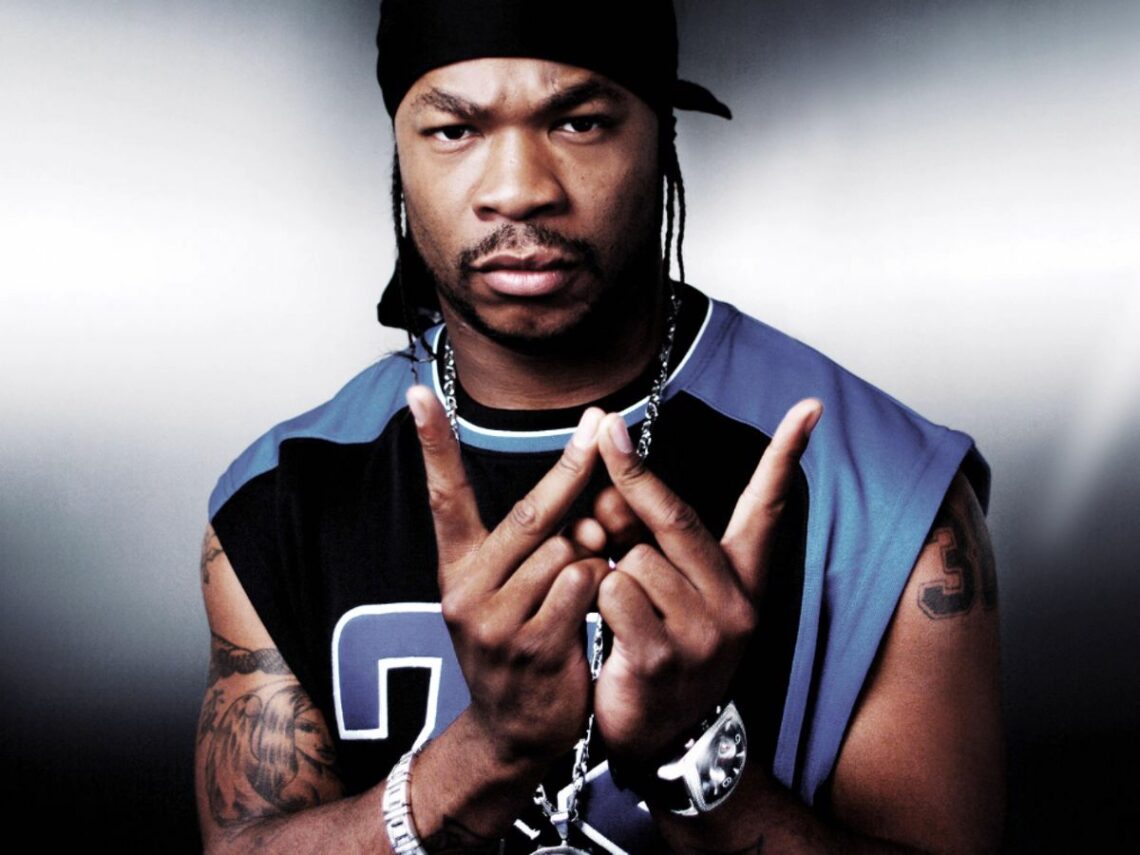
The one decision Xzibit believes damaged his rap career
Car transformations featuring pool tables, hot tubs, slot machines, and even Sistine Chapel ceilings made for unforgettable television, but they did little to benefit Xzibit’s music career. While Pimp My Ride became one of MTV’s defining shows of the 2000s, its success quietly disrupted the momentum of a rapper who had already earned his stripes long before stepping in front of the camera.
Xzibit began hosting Pimp My Ride in 2004 and quickly became the face of its outlandish automotive makeovers. Before the show, however, he was not a television personality but a respected West Coast rapper whose career stretched back to the early 1990s, built on credibility rather than spectacle.
The opportunity arrived unexpectedly. Producer Rick Hurvitz approached Xzibit while he was getting work done at West Coast Customs, the shop that would later become central to the show. “He came in and asked if I wanted to host a show. I had never hosted anything before, so it just happened to happen like that. It wasn’t anything planned,” Xzibit told The Breakfast Club in 2018.
By that point, his musical résumé was already substantial. His debut album, At the Speed of Life, landed in 1996 and generated immediate buzz, while 40 Dayz & 40 Nightz cemented his standing within West Coast hip hop. His third album, Restless, released in 2002, drew the attention of Dr Dre, who served as executive producer, while features alongside Snoop Dogg and a cameo in 8 Mile further raised his profile.
Later that same year, Man vs. Machine debuted at number three on the Billboard 200 chart. Few rappers transitioning into television could claim such a strong musical footing, making the timing of Pimp My Ride appear, at least on paper, like a natural extension of success.
Instead, the show became a hindrance. “In the beginning, I felt like it hurt my career because I wasn’t able to tour,” Xzibit admitted. “I wasn’t able to continue building Xzibit as an MC. Pimp My Ride all of a sudden almost became bigger than the music. It was worldwide, and it was MTV, and they were pushing it more than they were pushing my music.”
Despite receiving just $5,000 per episode, Xzibit had assumed the exposure would be offset by increased support for his records, particularly through MTV’s rotation. That expectation never materialised, leaving him overexposed as a host but underrepresented as an artist.
The show ran for six seasons until 2007 and became MTV’s second most popular programme after The Real World. Its relentless production schedule left little room for recording or performing, limiting the very talent that had earned Xzibit the role in the first place. Although he released Weapons of Mass Destruction in 2004 and Full Circle in 2006, neither matched the impact of his earlier work.
In hindsight, Xzibit has made peace with the experience. His audience shifted dramatically, often recognising him more as a television figure than a rapper, but his connection to hip hop never faded. After the show ended, he returned fully to music, reuniting with Dr Dre and eventually releasing Kingmaker in 2025. “Now, as I look back at it,” he reflected, “I feel like, regardless of whether people know me for TV, music, or film, I’m just glad to be recognised.”