

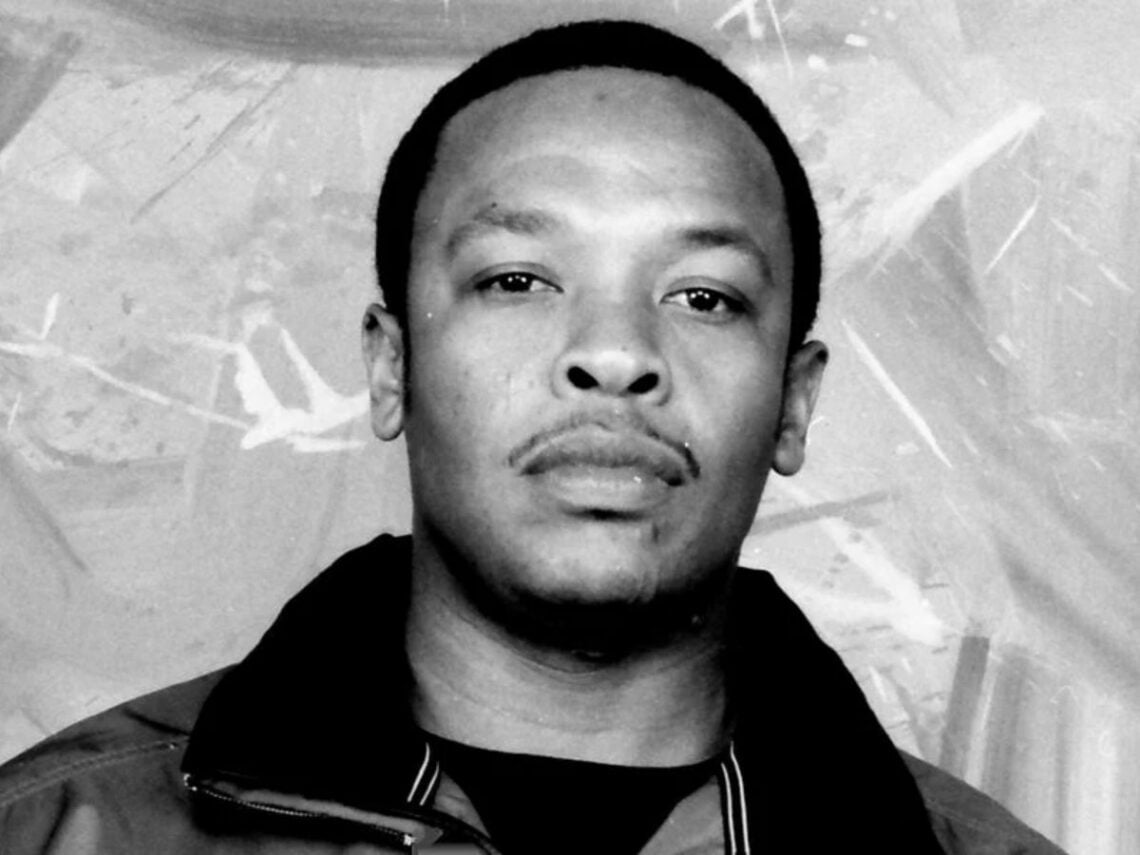
The musician who Dr Dre told to “stop rapping”
Dr Dre is a cultural icon who has made an enormous mark in hip-hop and in popular culture more broadly. Dre’s 1992 debut project, The Chronic, was so groundbreaking that it was archived in the USA’s Library of Congress, meaning it is of national importance in America.
The Death Row co-founder has launched several careers, and whether it’s Snoop Dogg, Eminem, or Snoop Dogg, many beloved MCs wouldn’t be in the business without Dre. That said, Dre also helped some less prominent artists who were part of the Death Row label during the 1990s.
When giving feedback to artists, Dr Dre always keeps it authentic and never holds back. That said, when he works with MCs such as Eminem and 50 Cent, they develop tough skin, readying themselves for some criticism.
As such, it didn’t come as a shock to the DOC when Dr Dre told him he should stop rapping. During an appearance on the Life After With David Vobora podcast, the DOC opened up about how Dr Dre told him the “hard truth” after his car crash and unveiled why he decided to stay in the music industry despite Dre’s harsh words.
The D.O.C. says Dr. Dre shared a “hard truth” about his voice before he made his decision to remain in the rap industry following a devastating car accident in the 1980s. In 1989, the Dallas native was involved in a near-fatal car accident on a freeway near Ventura, and after ramming into a tree, the emcee had to undergo 21 hours of surgery, during which a minor injury was incurred.
While he was under anaesthetic, a breathing tube scarred his larynx, leading to a permanent injury that altered his voice. The lyricist was keen to carry on rapping. However, the No One Can Do It Better creator was told by Dr Dre that he shouldn’t continue in the music industry.
Opening up to David Vobora, the DOC explained, “Dre’s my brother on another level. He’s the only guy that’s ever told me, ‘Don’t rap. You don’t sound good. They think you’re the king. You should go out like that. Imagine the love that it takes to tell somebody something like that. That’s real, and he’s always been that backbone for me.”
The D.O.C.’s car accident has been a big part of his career and [played a pivotal part in Dr Dre’s career writing tracks for Dre, N.W.A, and even Snoop Dogg. He played a huge part in the rise of G-funk in the ‘90s and crafting the West Coast sound.
The DOC worked extensively with Snoop Dogg as a rapper and producer and elaborated on this with David Vobora, stating, “Snoop was so inviting and receptive of what I wanted to give him. I didn’t teach him anything, but I allowed him, through me, to find what he was looking for because it was always there. That was liberating because I got a chance to be what I was supposed to be in my mind through [Snoop] because we share similar traits: very expressive, very funny, extremely charming, very personable, can act, sing, rap, dance, just a talented person.”
Despite the alteration of his voice after his 1989 car crash, the D.O.C. went on to release two more projects, Helter Skelter in 1996 and Deuce in 2003.