


The Black CNN: How ‘The Message’ changed hip-hop forever
Grandmaster Flash undoubtedly made some anthems in his prime. From ‘White Lines’ to ‘The Adventures of Grandmaster Flash on the Wheels of Steel’, the music released early in his career was foundational and profoundly impactful on New York street culture. However, ‘The Message’ is arguably the most integral rap track of all time.
The late 1970s and early ‘80s were effectively shaped by a handful of producers. From Grandmaster Flash to Afrika Bambaataa, young African-American men from New York’s inner-city set the blueprint for beatmakers who would later look far and wide for more obscure samples.
However, one outlier in the story of rap was Sylvia Robinson. Her place in the hip-hop history books is contended with figures such as KRS-One asserting that she and her label, Sugar Hill Records, distorted the culture, putting monetary gain ahead of authenticity.
Despite this, the New Jersey producer broke records with her releases. First with Sugar Hill Gang’s ‘Rapper’s Delight’ and then with ‘The Message’ — the latter is widely considered to have been the first conscious hip-hop track of all time.
The song ‘The Message’ was produced by Clifton “Jiggs” Chase and Sylvia Robinson of Sugar Hill Records in Englewood, New Jersey. It was written by Duke Bootee and Melle Mel. The song contains no samples. Its inspiration was, in part, the 1980 New York subway strike, which caused a lot of chaos in the city and frustration among communities of working African Americans living paycheck to paycheck.
‘The Message’ changed the direction of hip-hop in the US, and artists like Public Enemy and KRS-One would then use hip-hop as a vehicle for social commentary. Up until 1982, hip-hop consisted mainly of party records. Call-and-response, rapping about jewellery, girls, and fun, was the bread and butter of hip-hop. However, no one was using the genre as a way to talk about issues that were negatively affecting their lives.
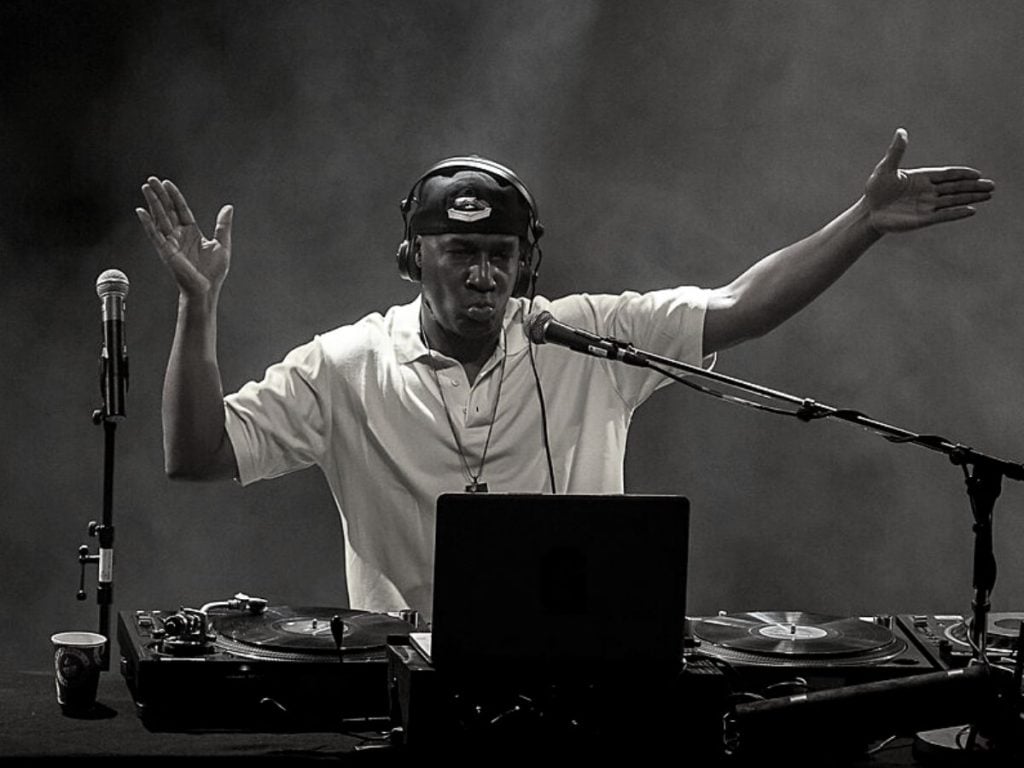
The funk-based records that came out of New York in the late 1970s and early ’80s were arranged to make listeners dance. Before anything, they were party records that made people want to move, and the chords communicated positivity. The cadences and flows used on the tracks were relatively fast and skippy, and the instrumentals were made to make people at the block parties boogie.
Melle Mel’s lyrics on ‘The Message’ completely upended this. With lines such as “Broken glass everywhere / People pissin’ on the stairs, you know they just don’t care / I can’t take the smell, can’t take the noise” and “I can’t walk through the park cause it’s crazy after dark / Keep my hand on my gun cause they got me on the run” it painted a dreary picture.
‘Fight The Power’ creator Chuck D was recorded stating that rap is “the black CNN” dedicated to “informing people, connecting people, [and] being a direct source of information.” That is most certainly true of tracks like ‘The Message,’ which reflected the predicament of black Americans across the US.
The spirit of ‘The Message’ with regard to social commentary continued throughout the ‘80s and ‘90s as acts such as BDP, Public Enemy and NWA pushed important issues to the forefront with their music. MCs such as 2Pac and Ice Cube did so throughout the following decade. However, the 2000s saw a shift towards more braggadocious, arrogant lyrics that put all things conscious on the back burner.
Contemporary artists, including J Cole, Kendrick Lamar, and Joey Bada$$, still incorporate important issues into their work. That said, irrespective of whether or not they are currently held in the same regard as mumble rappers, conscious rappers are a massive part of hip-hop culture, and if they were not present, hip-hop would see an uncomfortable void.
Since the 2000s, many have questioned why educated, conscious rappers who promote change are not supported to the same extent as gangster rappers by major record labels. Still, when we look at the Lamar’s of hip-hop today, it is impossible to ignore the impact of ‘The Message’ in paving the way for wise, introspective music.