

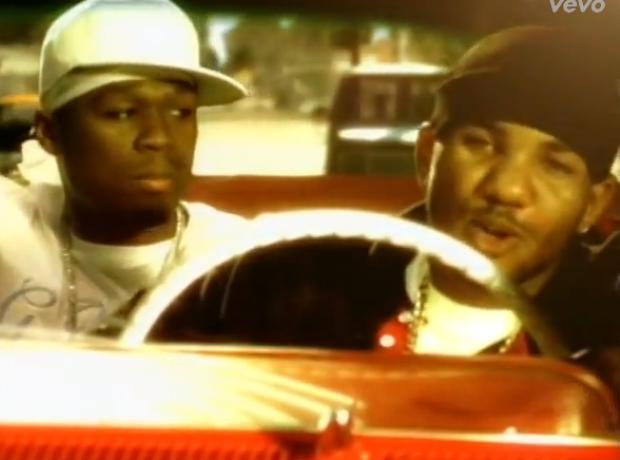
The album that pushed The Game to the limit: ‘If I could have killed everybody, I would have’
The Game is another successful artist to come out of the Compton crop, a location that has birthed many other superstars like Kendrick Lamar and the members of N.W.A. The Game had a similarly difficult upbringing to many of those artists, but from pressure comes diamonds and there was a point in time where it looked like he might inherit the throne.
Growing up in Compton is notoriously hard, especially when the area was practically a gang war zone. Game, whose real name is Jayceon Taylor, grew up in a Crip household; both his mother and his father were both active members of the gang. When it was his time, Taylor flipped allegiances, deciding to follow his brother to the Bloods.
Surprisingly, it was a direct result of his gang ties that led him to become an artist in the first place. In 2002, Taylor was staring down a lengthy stay in hospital, recovering from gunshot wounds he received in a home invasion in late 2001. He instructed his brother to go out and buy all the hip-hop classics to keep him occupied during his recovery.
After five months of daily rap education, the California native had decided that music was his way out of a life that almost cost him his. He and his brother, Big Fase, released their first mixtape You Know What It Is Vol.1 in 2002 and in 2003 he was discovered by Dr Dre and signed to his record label Aftermath Entertainment.
Game was mentored by Dre and became a close companion with 50 Cent through his mentor. It took time for him to release his first album under the label, a whole two years in fact, but he used this time to create an image for himself. Nevertheless, in 2005 his first major-label album The Documentary released to massive success, debuting at number one on the US Billboard 200 and selling a staggering 586,000 units in its first week.
This would be the peak for the Compton rapper, though, as internal feuding would see him leave Dre’s label. It was reported that even before the release of The Documentary, cracks were bringing to light Game’s relationship with 50 Cent. Fif claimed that the feud all began with a strip club shooting involving the two rappers that stemmed from the Queens-born rapper’s frustrations that he wasn’t backed up in his reaction to a diss track by Fat Joe.
The feud eventually led to diss tracks being fired by both parties. The Compton emcee started the battle at Summer Jam 2005 with his track ‘300 Barz and Runnin’. Fiddy responded swiftly in his music video for ‘Piggy Bank’. The feud continued publicly through more songs until eventually, Taylor left Aftermath to sign with Geffen Records.
It was at Geffen in 2006 that he released his second major-label album, Doctor’s Advocate, which also debuted at number one and sold a still impressive 358,000 units in its first week. Another major effort by the rapper, but it pushed him to his limit.
By that point, Taylor had burned a lot of his bridges and had to rely on the connections he himself had made in the three years he had been in the industry, this took its toll. Reflecting on the difficulty of this task with Complex he said; “If I could have killed everybody who had a part in that fucking G-Unit break-up and gotten away with it, I would have done it”.
It was clearly a difficult period of the artist’s life and he looked back on his loneliness regretfully: “I went from having 50, Dre, and Em, to having no 50, no Dre”. Nevertheless, as we all know from pressure comes diamonds, and he clearly harnessed that mantra once more to deliver another classic album.