

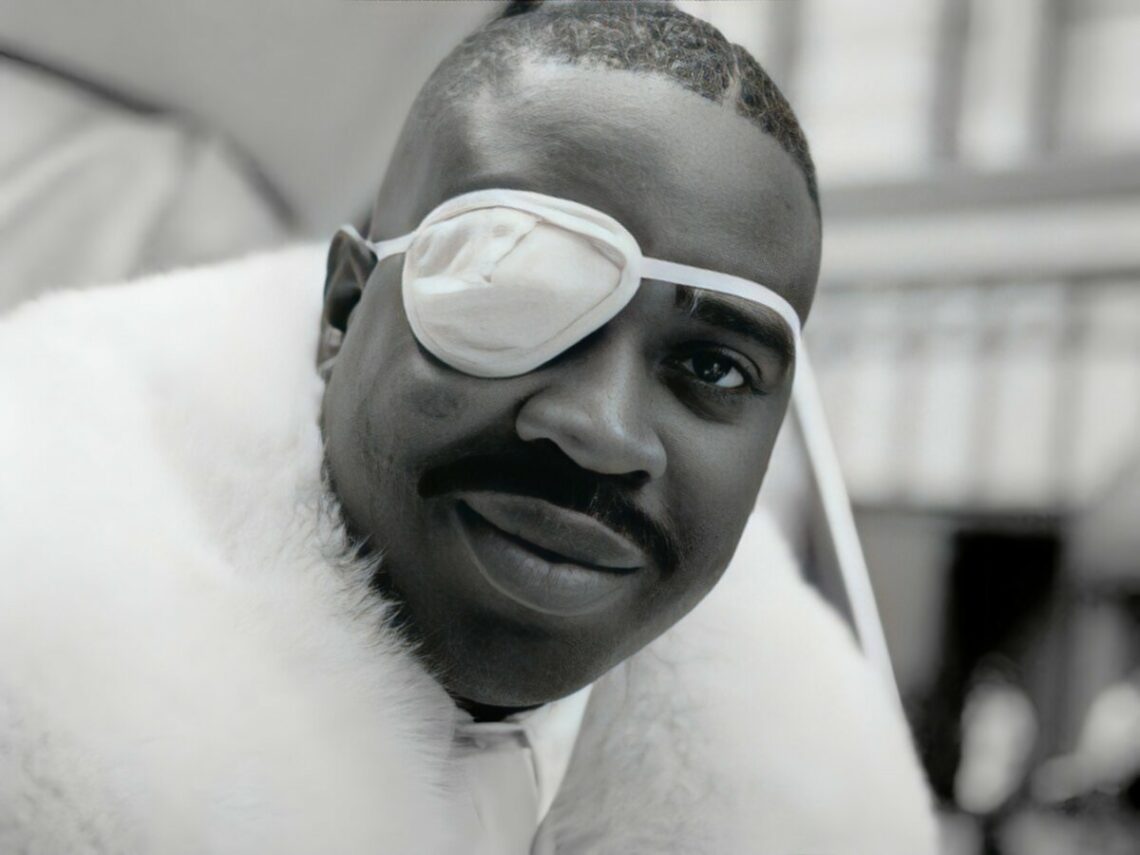
The verse Slick Rick wrote from the perspective of an Iraq War soldier
In 2009, Yasiin Bey, still known as Mos Def at the time, released his fourth album The Ecstatic, the highlight of which was, arguably, a song called ‘The Auditorium.’ Mos is as eloquent as ever on the track, but what truly makes it great is the guest appearance of Slick Rick, his favourite ever rapper.
The Ecstatic was widely considered to be Mos Def’s best record since his debut Black on Both Sides, and it had a far-reaching vision. This was a socially conscious album of the quality for which Mos had become famous, but it took on truly global themes. This was reflected in the samples and unusual time signatures drawn from around the world that were employed throughout.
On ‘The Auditorium,’ Mos raps a broad tale about struggle and resistance, “universal ghetto life,” as he puts it in the song, but it’s Rick who focuses on a specific region. His verse, certainly among his best since his heyday in the late ’80s and early ’90s, concerns what was then the ongoing war in Iraq.
It was clear by the late 2000s, when Rick would have written his verse, that the Iraq War illegally launched by a US government in 2003 had been disastrous. About 2.8 million Iraqis were displaced within the country in 2008, according to Human Rights Watch, while a further 2 million had been forced abroad.
Estimates of the death toll in Iraq vary greatly, but, by around the time that The Ecstatic dropped, tens of thousands of Iraqis had certainly been killed, with many estimates veering into the hundreds of thousands.
It is within this context that Rick wrote his verse on ‘The Auditorium,’ in which he adopts the persona of “a soldier in the middle of Iraq.” Rick’s storytelling is at its most vivid during his performance, as he describes encountering a “young Iraqi kid” who’s “lookin’ at [him] curious.”
The soldier that Rick embodies seems naive and confused as to what he’s doing in Iraq. The evident hostility of the boy and other locals seems baffling to the soldier, until, eventually, he realises that he is “trapped in this crap” and begins rapping for the locals, which they are impressed by. Rick’s soldier finds common ground with these people through music.
The verse seems to comment on the fundamental ignorance of an imperial American culture that invaded and destroyed Iraq without really understanding anything about it. Instead of finding themselves being welcomed as liberators, as they had been led to believe would happen, American soldiers were widely despised as invaders and were met with fierce resistance. The soldier in Rick’s verse is forced to grapple with that.
Rick’s verse does not go deep into the ins and outs of Middle East politics, but it does paint a crystal-clear scene as only he can do. The lies and contradictions at the heart of the Iraq War, and the cruelty it inflicted upon innocent people, shine through his words, even as Rick peppers his lines with the humour for which he is a legend.