

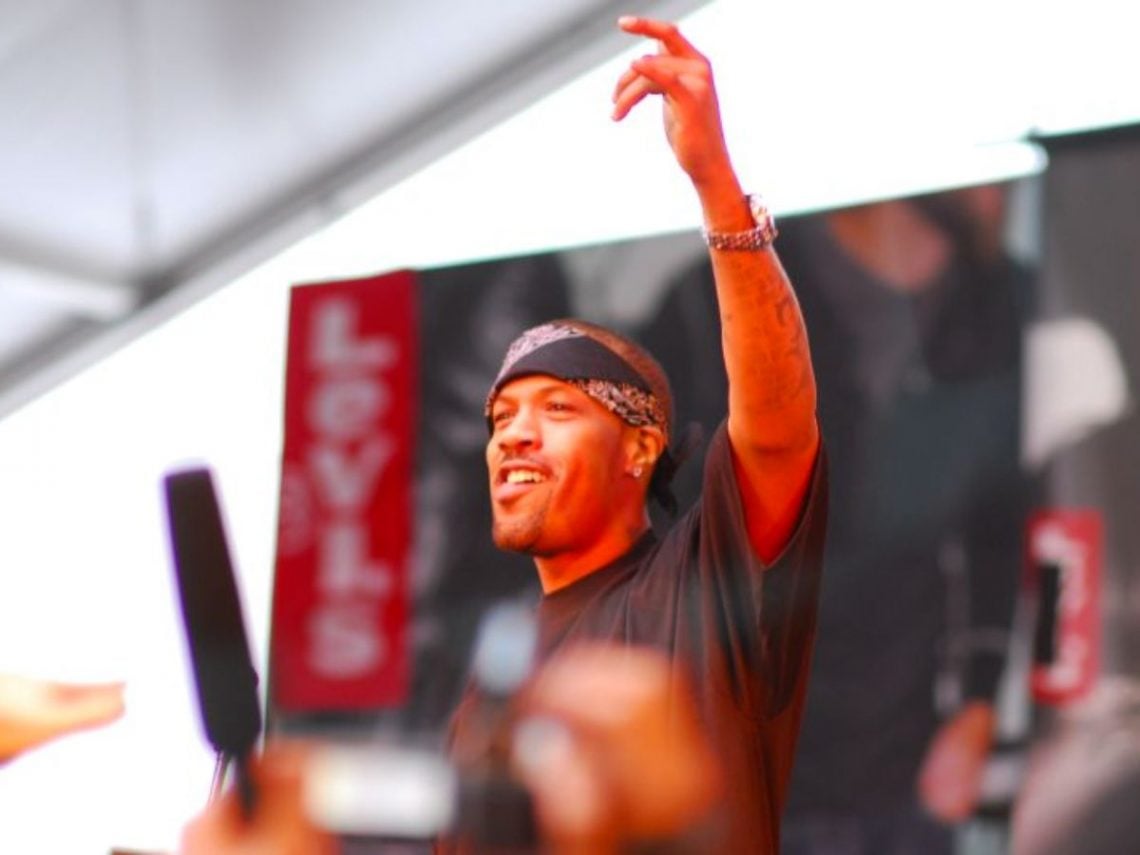
Redman explains how weed has changed since the 1980s and 1990s
Redman made a career out of his love of weed. Perhaps that’s putting it a bit too starkly, given the talent he needed to make it as a rapper and actor, but he certainly used his passion for weed to his advantage within his fields of interest.
Red has had a lot of fun with the idea of weed, mentioning it in plenty of his verses and making a film with Method Man in which it was a crucial plot point. But Red thinks seriously about it, too, as he revealed during a 2017 interview with The High Times.
Weed has changed a lot over the decades, be that in terms of the product itself or the culture surrounding it. Asked to comment on his perceptions of the changes since the 1980s and ’90s, Red said, “Well, it got stronger, definitely. Got greener.”
Red felt the quality of weed on the East Coast especially changed for the better during that period, whereas the weed from the West Coast was already good. “On the East Coast, you know,” he said, “we don’t get it like y’all get it on the West Coast, so it definitely upgraded in our sector, I would say. By the greenery, by the taste, by the high.”
But Red also had a more serious point to make about it. “But the politics of it has grown—it being legalised, you know—and the medical side of it, how it’s helping people and helping disorders. It’s just fascinating how many cannabinoids pot has—and THC is just one of them. So the science of it, the political side of it.”
By the time Red was giving this interview, Colorado was five years deep into its experiment with legalised recreational cannabis use. Red was a huge admirer of the state’s actions in this regard.
“I love how Denver, Colorado, is using it,” he said. “They’re helping the state grow with it, helping education and things like that. So there’s a lot of things that this plant has done over the years since I came in the game of just wanting to get high.”
Red pointed out that the culture around weed had become “more business” orientated, but, still, it nonetheless still bore the possibility of helping people. That was clearly a positive thing.
“I love the way that medical patients are turning away from over-the-counter drugs and turning to CBD strains and seeing how it’s better,” he said. “That fascinates me. It seems like I was a part of something and I didn’t know it was going to grow this big, and I was there helping promote it.”