

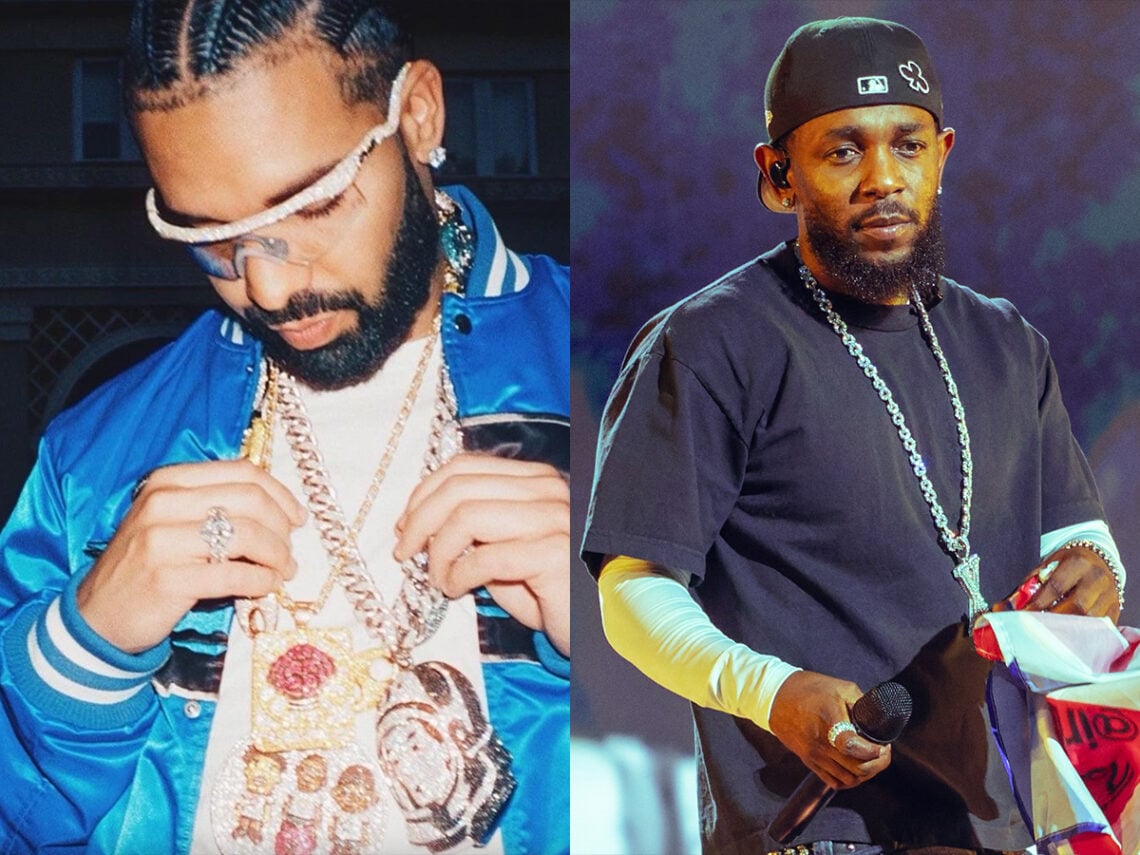
One rapper tried to warn Drake against the Kendrick Lamar beef
In early 2024, what began as a rap rivalry between Drake and Kendrick Lamar turned into something broader, something people analysed far beyond music.
Though the conflict later filled headlines, someone who works closely with Drake claims they made an effort to prevent any clash from unfolding. Instead of verses traded online, there was an attempt behind the scenes to calm things down before tension built. However, the moment gained momentum, despite quiet efforts to slow it.
Reactions poured in not only from listeners but also from critics and insiders watching closely. What looked like an inevitable confrontation had earlier been met with hesitation backstage. That winter, 21 Savage spoke of the conflict while guesting on Big Bank’s show Perspektives With Bank! When questioned about Drake’s back-and-forth with Kendrick Lamar, he said he’d urged Drake behind the scenes to stay out after Kendrick dropped his first reply track. According to him, his warning carried little sugar, just straight talk, more than once.
Getting involved, he argued, meant walking into defeat regardless of what happened. He claimed he made clear the conflict wasn’t one Drake could truly win. Even if it seemed like a success, consequences would follow. It wasn’t about skill in rhyming, according to Savage, but position mattered more. At that level of fame, with so much already achieved, there was little to be gained.
Savage claimed people saw the clash coming through a lens that hurt Drake from the start. Sitting at the peak of music meant any fight held little reward for him, noted Savage. A win might seem obvious, or even unjust, while a loss would echo louder than ever. To Savage, the setup itself tilted the odds unfairly. Should Drake have beaten Kendrick, observers likely would have painted him as the ‘bad one’ anyway.
What stood out was how Savage avoided painting Drake as impulsive or fragile. When Kendrick released his songs, the reaction pushed Drake toward a reply, and those tracks gained quick acclaim, shaping much of the digital conversation. Though understanding the urge to engage, Savage suggested holding back might have served better in the long run. It mattered little, really, because Drake’s position stayed strong; streaming numbers showed him leading among rappers that year. The fallout? Mostly noise online, nothing more than a temporary sting.
When Lamar dropped his lines on Metro Boomin and Future’s track ‘Like That’ in March 2024, he called Drake’s position into question, which sparked a swift back-and-forth that grew harsher with each release. Soon came a burst of music unlike most rap feuds lately, as both sides put out several songs fast, deepening how far they were willing to go with their jabs.
A wave of attention swept across news platforms and online networks. That track by Kendrick, ‘Not Like Us’, surged in popularity while earning praise from critics, and eventually, claimed top honours by 2025. Coverage often painted him as the one who came out ahead, and yet, questions emerged regarding how aggressive these rap disputes have become, with some worried about where such intense public battles might lead beyond music.
At the peak of the conflict, Rick Ross spoke out, asking Drake to hold back. Savage wasn’t the only one calling for calm. Following rumours of unrest close to Drake’s residence, Kurupt cautioned against letting tensions grow without limit. The stakes felt higher, as Ice Cube remarked, because today’s feuds play out worldwide, where insults spread fast, reactions run deep. What once stayed local now draws eyes everywhere.
Looking back, 21 Savage’s quiet caution seems not like reflection, yet something closer to prediction. Not because Drake cannot hold his own, but instead because the setup tilted so heavily, it turned fighting into an error. When stories carry more weight than results, such guidance shows awareness beyond combat, of how influence, image, spectacle blend now in rap.