

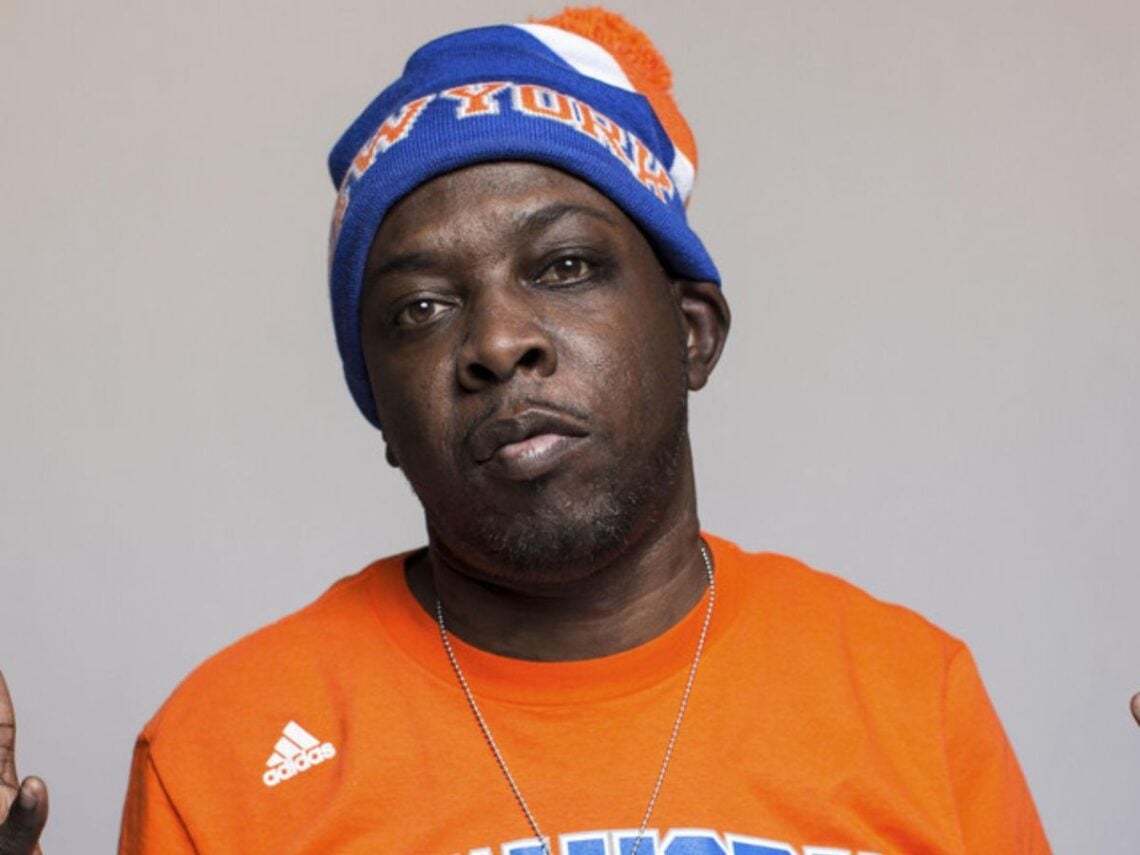
The legendary MC who convinced Phife Dawg to become a rapper
A Tribe Called Quest were cultural innovators, but their project worked as well as it did, in large part, because of the unique interplay between Q-Tip and Phife Dawg.
The pair complemented each other perfectly, even if, over the years, they tended to clash a little bit. But when things were good between them, the music they made together was exceptional. Their contrasting rap styles and personalities helped to make Tribe one of the most important hip hop groups of all time.
It’s a remarkable thought, then, to consider that Phife’s role within the group wasn’t always destined to be significant. He wasn’t even an official member of the group on their first album, 1990’s People’s Instinctive Travels and the Paths of Rhythm, and his interest in rap wasn’t as all-encompassing as we might have expected. In fact, Phife could have taken or left rap; he needed to be convinced to take it seriously.
“Q-Tip pushed me into becoming a performer,” Phife once admitted, during an interview with Dazed in 2011, “At first I wasn’t taking rapping as seriously as I should, so he kept getting in my ear like, ‘Come on man, get in the studio’, but I was running the streets being silly.”
Tip was deadly serious about Tribe, but Phife was still figuring things out. While he was a part of the project on that first album, he was far from central to it. He and Jarobi White, who also contributed to People’s Instinctive Travels, were in their own group, but Jarobi soon stepped back from music to concentrate on becoming a chef. Phife could have faded away from music around this point, but Tip was intent on getting him to pull himself together.
“It wasn’t until we started doing shows for that first album that I understood where he was coming from,” Phife recalled, “That’s why I was on so many more songs on The Low End Theory compared to the first album. He had a lot to do with it, definitely.”
The Low End Theory, Tribe’s second album released in 1991, marked Phife’s entry into the group as “a fully-fledged member”. It was at this point, with Tip’s encouragement, that he started to find his way as a rapper. “Tip would be like, ‘Yo Phife spit the verse, what you got?’,” he remembered, “I’d go in there and spit my verse”.
Phife hated his voice on Tribe’s first album, but by album number two, he was becoming more comfortable as a performer. He was, as he put it, “comfy with it”.
“That was an important moment for me,” he said, “just being embraced and letting my voice be heard”. He kicked on from there and is remembered today as a legend.