

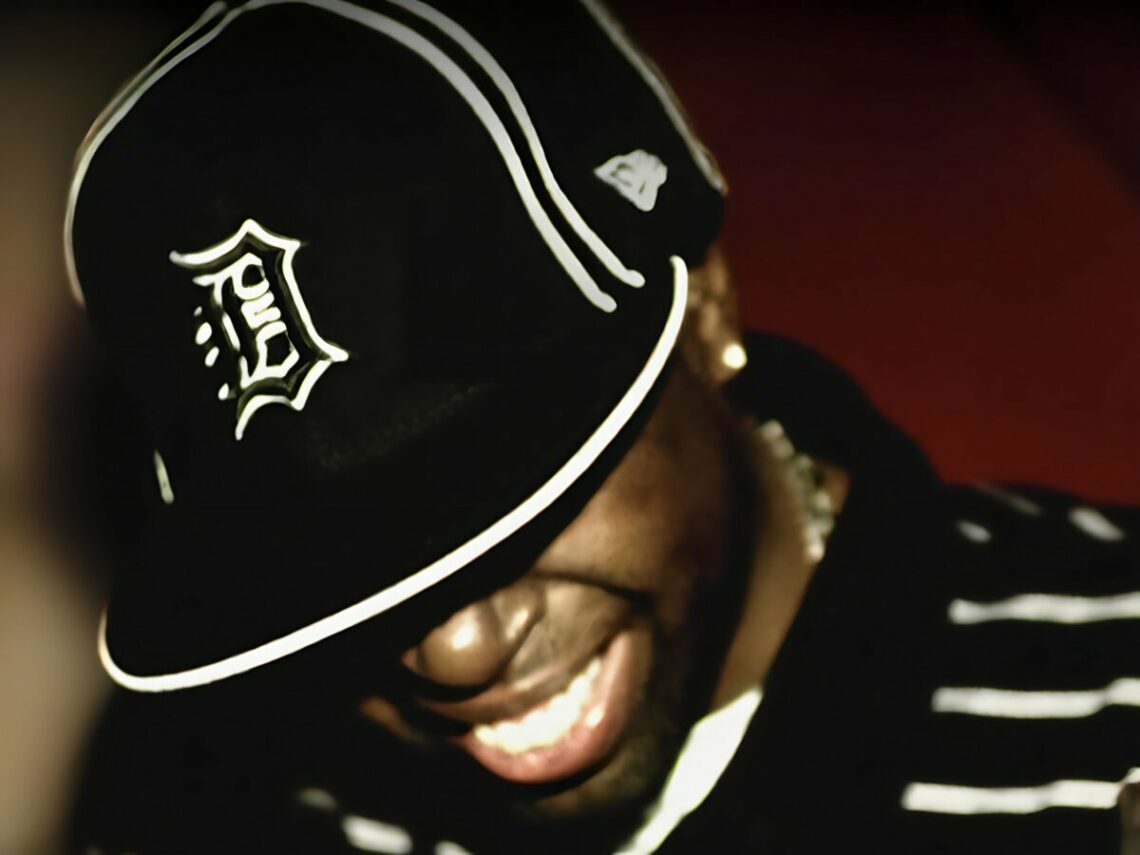
J Dilla: The producer who humanised the MPC
J Dilla was one of the most esteemed hip-hop producers of his time. Many were and still are in awe of his talent, and although he is no longer with us, his music continues to inspire and, at the same time, confuse people. J Dilla broke all the rules of rap music production and, akin to Kanye West, had people staggered by how seamlessly he could produce soulful, hard-hitting music.
Born and raised in Detroit, Dilla first found fame when he began producing for MCs from the Midwest in the late 1990s. He very quickly became a popular beatmaker and was an integral driving force behind the Soulquarian movement of the 1990s. Dilla was admired by acts such as Q-Tip, Questlove, Erykah Badu, and Common and was Pete Rock’s successor.
J Dilla was renowned for his ability to humanise his drum machine and make it sound like a live band. He had many stylistic quirks that made him a fascinating musician. Dilla wasn’t an artist who used lavish studios; instead, he made all of his music in a Detroit basement full of old vinyl and sampling material. This environment contributed to his raw and exposed beats.
The Detroit native faced a unique problem when he first began producing hip-hop. As a lover of soul music and Motown from his home city, he was used to bands. However, in hip-hop, the most popular drum machine, the AKAI MPC, had a tool called a ‘quantise’ button. The tool ensured every instrumental element was on time and fell on an appropriate beat. Fortunately, the Donuts creator knew something that other producers didn’t — that the imperfection of a human hand was sometimes what made music so interesting.
Whether it was a funk drummer who chose to add some offbeat flair or a jazz percussionist who caught an oddly satisfying pocket, music was far more exciting when it captured the passion of those who made it. As such, J Dilla actively refrained from allowing his AKAI MPC60 to auto-correct and perfectly align every beat.
J Dilla found how to make his music more intriguing by avoiding specific tools that would have made his beats more robotic and stiff. The result of his choice is a discography full of incredibly off-kilter drums. Even with his basses, instead of having everything align, he would sometimes use the MPC60 and have the riffs, sometimes sitting incredibly behind the actual pace of the song. However, the lag was somewhat satisfying.
The Slum Village collaborator had an ear-driven musical sensibility that not many producers have, which led to him not caring whether or not his records sped up and then suddenly slowed down as long as it felt good. Dilla played his MPC60 in the way that Jimmi Hendrix played his guitar and John Coltrane played his saxophone. It was an extension of him.
Although many people run their samples through computers as opposed to physical hardware in the modern age, those who use more modern MPCs have, unfortunately, fallen prey to the desire for a drum beat to be forcefully quantised and lifeless.
Whether it’s Young Chop, who pioneered the current drill sound or Lil Jon, who highly influenced the simplicity and rigidity of hip-hop’s trap beats, some producers could learn a lot from how J Dilla humanised the MPC and hip-hop production in a digital era.