

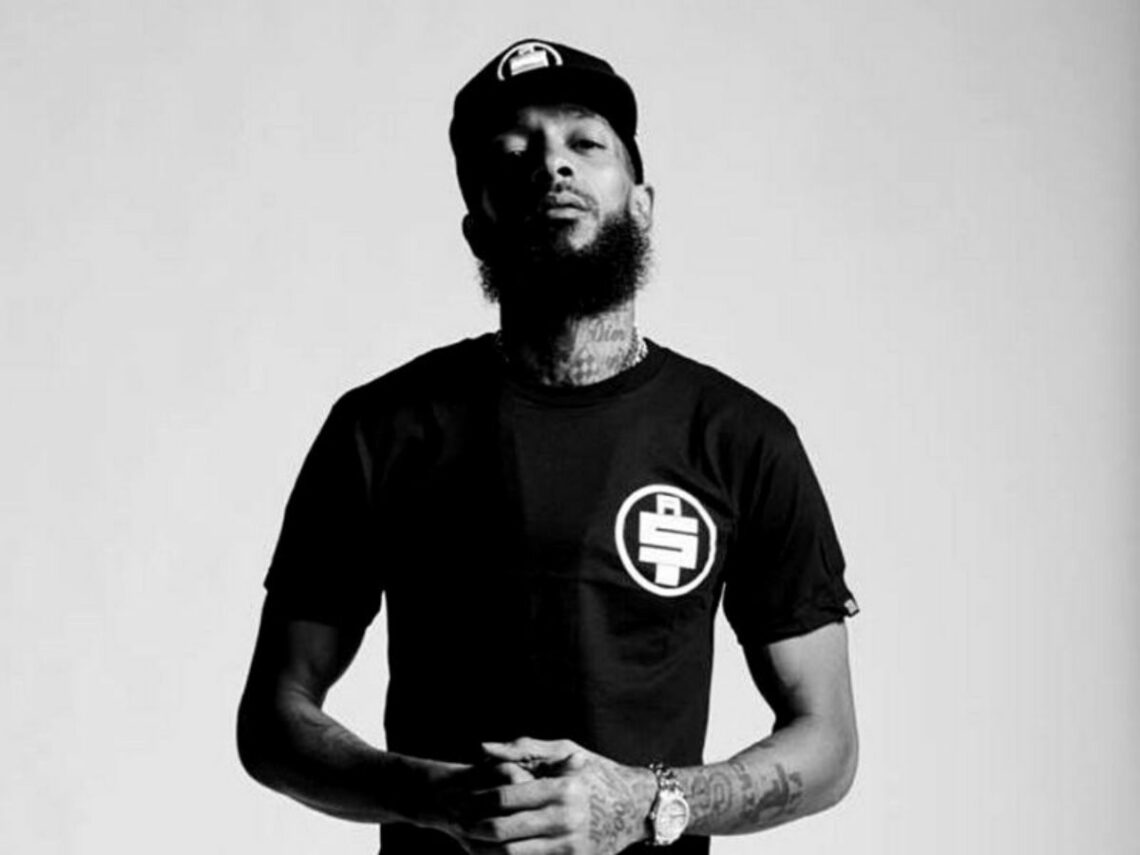
How Nipsey Hussle changed the game with a $100 mixtape
Most people believed that Nipsey Hussle was joking when he said that he was selling a mixtape for $100.
Free Mixtapes were the freebies that kept your name alive on blogs and message boards. Nipsey did not pay attention to that rule at all. When Crenshaw dropped in 2013, the fans lined up in the block in Los Angeles to purchase a physical copy at a higher price than most deluxe albums. It was grotesque, yet it succeeded. The 1,000 copies were sold within a day.
The concept by Nipsey was not complicated, yet bold. Crenshaw would be free online, but the printed editions would be limited, with signatures and numbers, a collector’s edition to those who wished to actually support it. He took the trick in a book on marketing that mentioned a restaurant that sold a $100 cheesesteak to generate conversation. Nipsey used the same principle. The lack of something makes it valuable and a high price tag makes people notice. The plan was the focus of the narrative, making a mixtape release national headline news.
The ‘Proud2Pay’ campaign demonstrated how strong the faith of fans was in the mission of Nipsey. Others purchased the $100 CD because they believed in an independent artist and others just had to be a part of something bigger than the mixtape cycle. Jay Z bought 100 copies himself, a ten-thousand-dollar promotion that indicated that Nipsey was not just making a stunt. The fans framed their copies, put pictures on the internet and made the buying process look like a badge of honour. Those who ridiculed the concept initially had to eat their words.
The only thing that made the gamble plausible was that Crenshaw was a strong thing in itself. Full of anecdotal tales of the street, the imprint of West Coast collaborators and DJ Drama, the project was finely polished like an official album. Its ambitions and coherence were well-received by reviewers. Several years later, Rolling Stone ranked it as one of the greatest hip hop albums, stating that the music was worth the time. Nipsey ensured the art was as bold as the rollout.
The actual contribution of Crenshaw was realised when the hype wore off. Nipsey demonstrated that artists could make money through loyalty rather than conventional sales. ‘Proud2Pay’ was a blueprint for independent musicians to prove that limited editions, exclusives and direct relationships could bring in actual revenue. It assisted in moving the discussion to ownership, neighbourhood and artistic worth. A year later, Nipsey released Mailbox Money, which retailed at $1,000 in the premium version and those sold as well.
This was Nipsey in pure form. Brooklyn-based, strategic and grounded on the idea that music is valuable when the artist is. Crenshaw reshaped anticipations regarding a label-free independent rapper. It demonstrated that confidence, planning and fan trust might turn a complete rulebook upside down. The mixtape that Nipsey Hussle released as a 100-dollar experiment was not just a break in culture, but the cultural shift can still be seen in the way music is released in the modern world.