

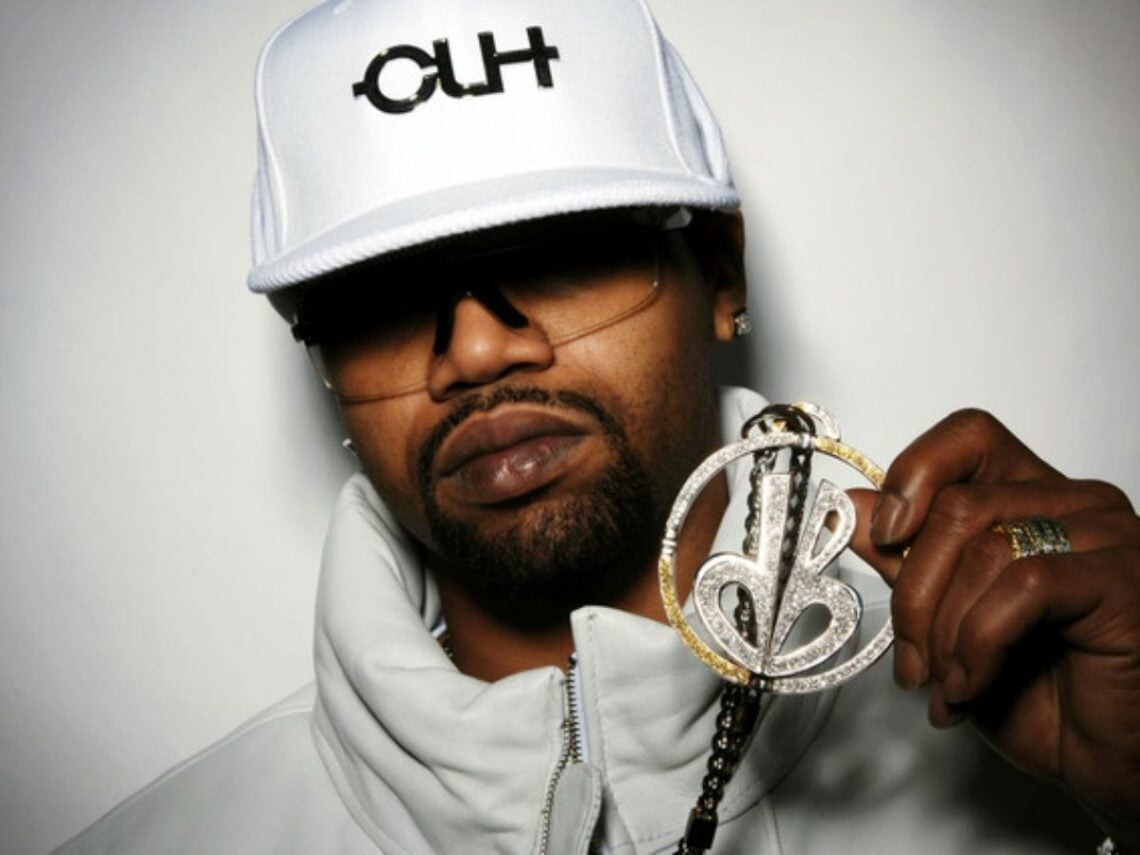
How Juvenile helped 50 Cent sign a record deal with Eminem
Hip-hop history is filled with unlikely collaborations, but few are as unlikely as the one between Juvenile, 50 Cent and Eminem. At the turn of the millennium, 50 Cent was fighting his way back from the void, Eminem had the world at his feet, and Juvenile became the silent link that connected them all.
His assistance did not involve money or fame. It was a matter of faith, timing and the fact that raw talent should never be buried.
In 2000, 50 Cent’s career was literally on life support. The Queens rapper had already established himself with his flippant single ‘How to Rob’, a song that poked fun at just about everyone in rap. It was daring and humorous, but it was also used to make enemies.
Then came the shooting that came close to killing him. 50 survived nine bullets – he became famous, but not the way a record label wanted. Chief financial officers began to back out of deals. In industry terms, he was too dangerous to handle. Cut off from the system, he began making independent grind outs with G-Unit, recording on borrowed equipment and pushing out mixtapes from basements.
One of them saw his hunger and came to his aid. One of the first rappers to have a tour bus equipped with a full-scale recording studio, the New Orleans veteran who produced ‘Back That Azz Up’ was named Juvenile. When he heard how 50 was struggling, he invited him onto that bus as part of G-Unit. “50 could not really go to studios at that time, so I took him and let him record on the bus”, Juvenile recalled. Night after night, 50 Cent, Tony Yayo and Lloyd Banks were rhyming on that rolling studio, far from label politics. It was more than generosity; it was a sign of respect between two artists from two very different worlds, who looked for the same suffering in each other.
The second hiatus was not in a studio but on a video set. Eminem was shooting with D12 in New York, and Juvenile was brought out to the shoot. He took over Sha Money XL, 50 Cent’s manager, and made the introduction that changed everything. Juvenile then cut a 50 Cent directly addressed to Eminem, explaining why their rawness and confrontational natures made for such a good match. “The type of music Em was doing and the type of music 50 was doing with the diss thing… that’s going to work”, Juvenile said afterwards. The praises of Eminem gained attention. He listened to 50’s mixtapes soon after and knew right away that he had put his hands on something special.
Eminem pitched the idea to Dr Dre, who on the other hand agreed to welcome 50 Cent into the Shady/Aftermath fold. Within a few months, the deal was completed. When Get Rich or Die Tryin’ was released in 2003, it made the South Jamaica street legend one of the most powerful names in rap. Songs like ‘In da Club’ and ‘Patiently Waiting’ were all over the radio and G-Unit became a brand name itself. Juvenile’s faith in 50 Cent was justified early on. The bond he formed on that D12 set was one of the most successful collaborations in hip-hop history.
The story was exposed years later, but Juvenile reminded fans of his silent part in the saga. 50 Cent himself later confirmed it when he said, “I got 50 Cent his record deal with Eminem… ask 50, he’ll tell you”. The connection between the two was more than that single moment. Young Buck, who later became part of G-Unit, was once signed to UTP, a division of Juvenile. In retrospect, Juvenile was not just a Southern hitmaker; he was a link maker who was far more influential than he was as a recording artist himself.
If it were not for his studio bus or that moment of introduction on a New York set, 50 Cent’s road to stardom might have looked quite different. Juvenile gave him a place to work, a co-sign when nobody else would, and the push that led him straight to Eminem and Dr Dre.