

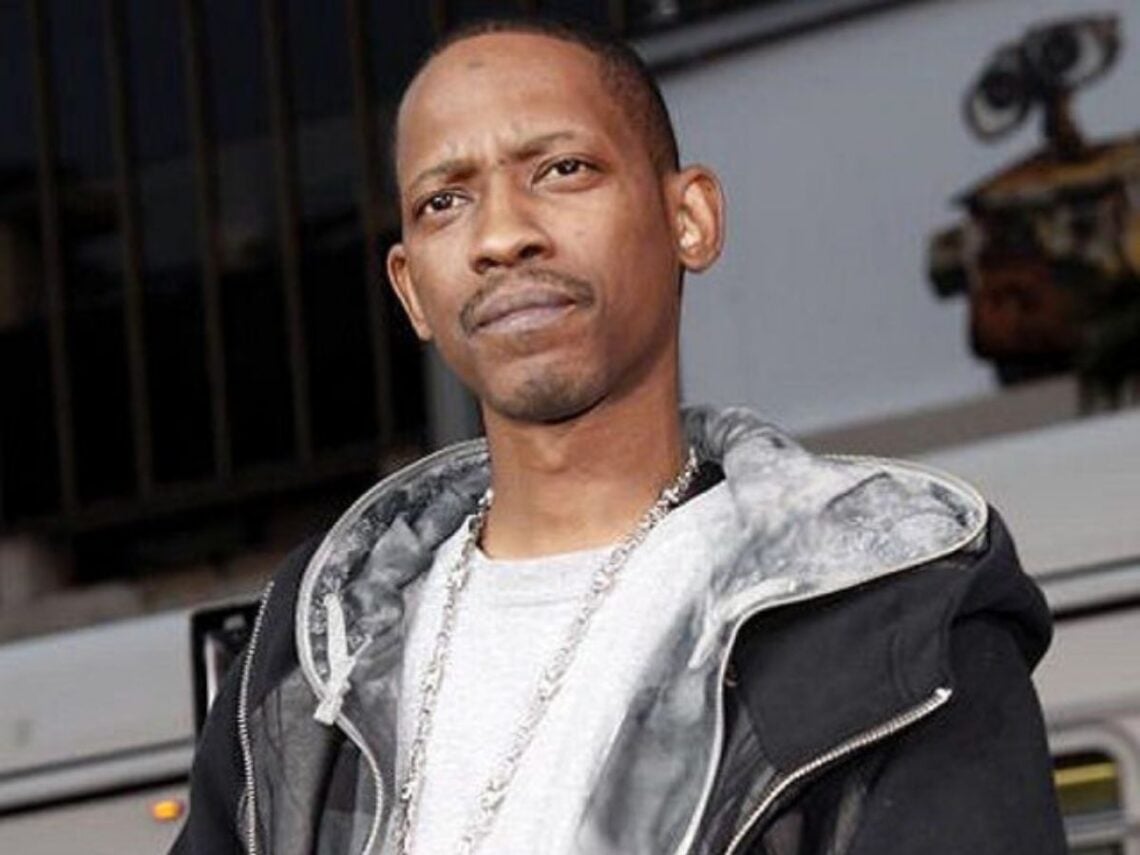
How did Kurupt get his rap name?
They seldom recount the tale of Kurupt without mentioning that he was a West Coast lyricist, but this is just half the story. Ricardo Emmanuel Brown was a two-coast battle rapper and teenager when he was in Death Row, before Tha Dogg Pound, the platinum plaques and Doggystyle features. His name, as well as his style, was a product of movement, of reinvention, of a keen sense of identity.
Kurupt was born in Philadelphia in 1972, and his early years were well-grounded in the East Coast tradition. Philly did not have a forgiving attitude toward rappers. You were either made bar for bar or you were disregarded. It is the atmosphere that made him violent, taught to control his breath, and his fixation on lyrical supremacy. He was exercised long before hooks or radio play became an issue of concern, and could confidently dismantle other MCs in cyphers.
His life turned West at sixteen. His mother moved him to California in search of a new start, and Kurupt was introduced to Hawthorne and the Crenshaw district of Los Angeles. Despite the change in the geography, his hunger remained. In the late eighties and early nineties, Los Angeles had its regulations. ‘G funk’ was the talk of the town, and style was just as crucial as talent. Kurupt came in with an East Coast grit, instantly standing out. He was more confrontational, more technical and dense in a scene where groove and presence were valued.
That opposition was his calling card. The battles of the underground earned him fame in a short time, attracting high-profile attention. By the time he met his future collaborator, Snoop Dogg, and Daz Dillinger, it was obvious that he came with something different to the table. His lyrics on The Chronic and Doggystyle under Death Row Records stood out precisely because they cut harder than the surrounding smoothness. Kurupt also confessed that he was concerned only with destroying MCs before meeting Dre and Snoop.
Kurupt was not born as a full-fledged brand. He called himself a child, ‘Kid’, and later made it sound stylised, so K.I.D., which meant ‘King In Destruction’. As he went to the west, he called himself ‘K Rock’, another effort to strike a new chapter. All these names were united by one letter K.
The Kurupt name was not the result of a branding effort, but rather a name given by a friend. A close associate known as Mental, affiliated with a small crew, was assigning names that sounded dangerous and unforgettable. The lineup included Chaos, Chainsaw, and one slot left to fill. Mental looked at Ricardo and told him plainly, “You’re going to be Kurupt”. There was no backstory, no debate. Kurupt remembers pausing, thinking it over, then accepting it immediately. It felt right.
It was simply a name that was not related to his true name. That was part of the appeal. Corrupt, sent away with a K, had weight. It was harsh, unfriendly, and implacable. To a young rapper who was characterised by battle spirit and verbal aggression, it was ideal. It was the final name, still keeping the K in continuity with his previous names. The first one was the one that completely suited his emerging personality.
Since that time Ricardo Brown had faded behind the personality. Kurupt was no longer a rapper, he became a presence. That name was used in all stages of his career, Death Row domination and solo records and underground respect. It represented his advantage as well as his inability to become soft.
Philadelphia gave him teeth. Los Angeles gave him a stage. But his name was baptised by a friend that embodied both. Several decades on, Kurupt still feels like a man who entered the world fighting to occupy a spot, and the name still suits it like it did when it was bestowed upon him.