

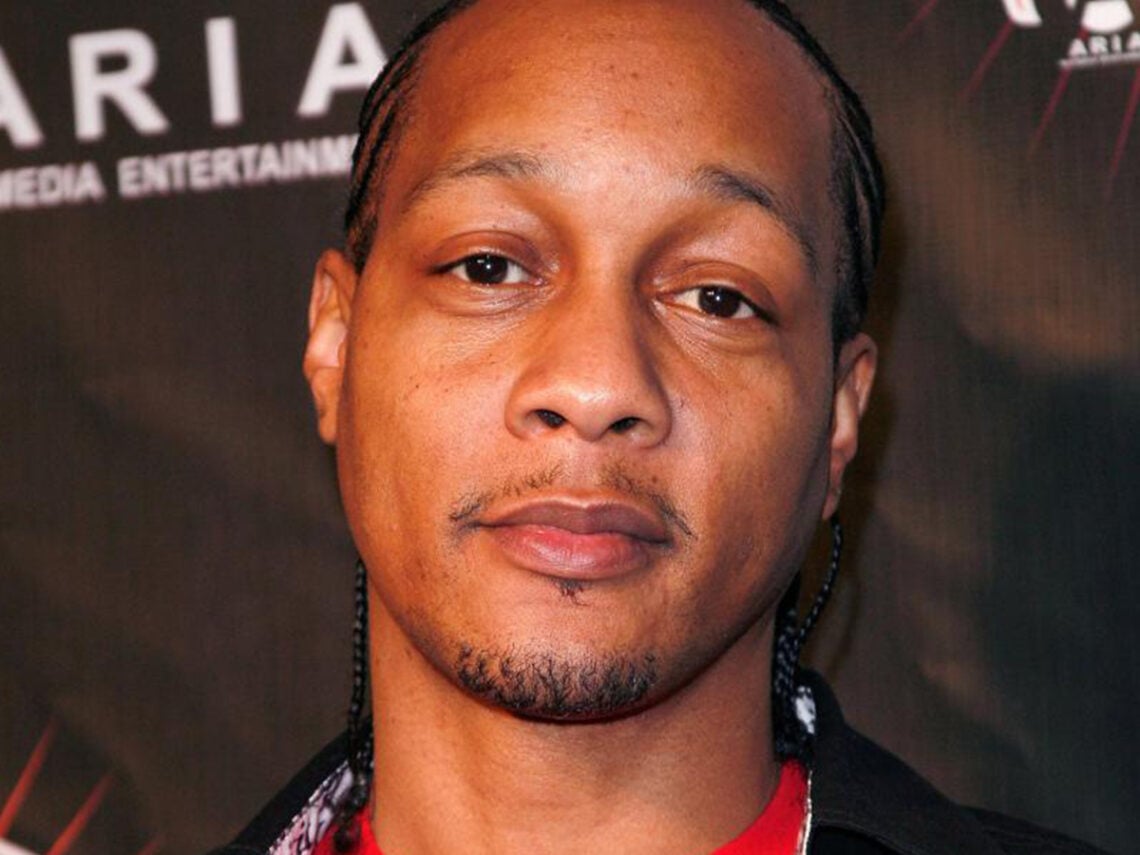
DJ Quik breaks down Tupac Shakur’s crazy recording process
DJ Quik, the Compton-born producer who developed a reputation for his G-funk stylings in the ’90s, was known for working quickly. That’s where his stage name came from, in fact, and it was a trait that he shared with one of his most important collaborators. Tupac Shakur also worked fast.
Quik is a rapper, as well as a producer, and he has released numerous solo albums over the years. But his most famous music has come from producing for other rappers, including West Coast legends like Snoop Dogg, Eazy-E and Kurupt, not to mention some prominent East Coast rappers, too, like Jay-Z. But, of all of them, Tupac was arguably his greatest collaborator.
Quik ended up working with Pac after falling into Death Row Records boss Suge Knight’s orbit. Knight served as the executive producer on Quik’s third solo album, Safe + Sound, and he also hired Quik as Death Row’s in-house engineer. Quik worked at the label for some time, but he never released a record of his own through it.
Pac, for his part, signed onto Death Row after Knight bailed him out of jail in 1995, on the condition that he produce new work for the label. His fourth album, All Eyez on Me, was his first Death Row release—the only one to drop during his own lifetime—and it was through this record that he came to work with DJ Quik.
Quik’s only production credit on All Eyez on Me was for the song ‘Heartz of Men,’ which is attributed to him under his real name of David Blake. He was signed to another label at the time, so he couldn’t use his more famous stage name on All Eyez on Me.
Aside from his production of that track, Quik also did uncredited production work on some other songs, while he also mixed half the album. True to his stage name, he did this quickly—supposedly in just a couple of days.
“I ended up mixing 14 songs in two days,” he claimed to Vice in 2015. “I don’t think I went home, I must have smelled like a goat.”
He revealed just how fast Tupac, too, was capable of working. “He’d come in the studio, light a blunt, grab a pen and paper, cross his legs, and 30 minutes later he’d be like, ‘Okay, ready,’” Quik said. “I’m like, ‘Who writes these songs so fast?’”
Getting the opportunity to work with Pac clearly meant a lot to Quik, who viewed him as a genuinely crucial figure. “He was so important to culture,” he said of Pac, who would be dead only seven months after All Eyez on Me’s release, “and I don’t think he realized it.”