

What’s the difference between a mixtape and an album?
Listening to acclaimed mixtapes like Lil Wayne’s Da Drought 3, Danny Brown’s XXX, or Chance the Rapper’s Acid Rap, it can frankly be difficult to figure out why these projects aren’t labelled as “albums.” So what’s going on? What actually distinguishes mixtapes and albums from each other?
The difference was once a lot more cut and dry. The idea of an album hasn’t changed much since the advent of modern popular music, albeit the media for distributing them has. In basic terms, an album is still a collection of songs, usually more than five, to distinguish it from an EP, that are issued together on a vinyl record, a cassette tape, a CD or digitally.
Specific themes or styles often bind together these songs, and there is a coherence to the way they are ordered and experienced by the listener. This hasn’t really changed through the decades, even as new formats for distribution have arisen.
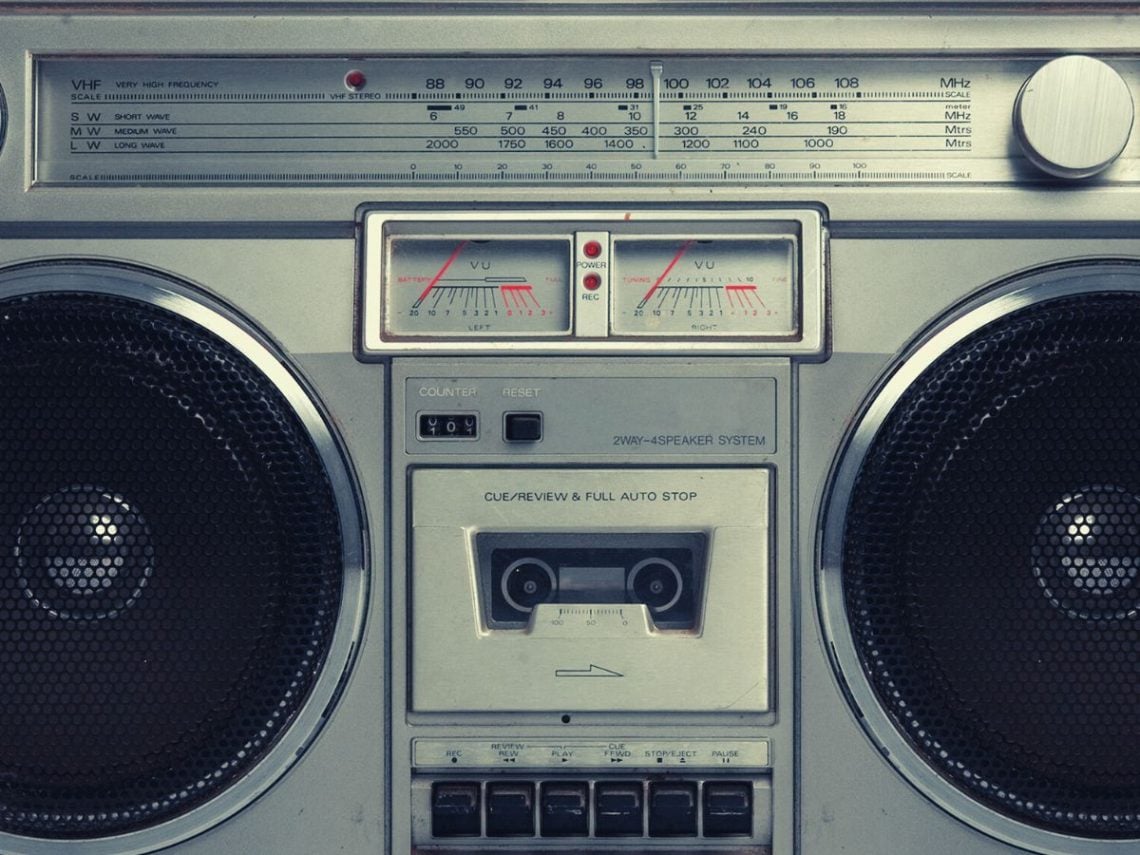
Mixtapes, however, were once something else entirely. They emerged in the 1970s, along with hip-hop itself. Pioneering DJs and early hip-hop artists of the era, think people like Grandmaster Flash and the Furious Five, would record their club sets onto cassette tapes, which they would later hand out in order to promote their sound. These came to be referred to as mixtapes.
By the ’80s and ’90s, the nature of mixtapes began to develop. Some artists started to record exclusive tracks onto them, or they would use them to show off new remixes or freestyles. They became a little bit more focused, in other words, and the music that was included on them became more strictly controlled by their creators. Like albums, they might now include specific threads or themes running through them, plus they began to be distributed on CDs instead of tapes. When MP3 players emerged, mixtapes started to be shared digitally, too.
Mixtapes were becoming a more serious form by the 2000s, with up-and-coming artists like 50 Cent using them to promote their music before getting signed to a label. As early streaming platforms emerged, artists could even cheaply upload their mixtapes online, potentially finding large and receptive audiences. Gone were the days of scratchy-sounding recordings from nightclubs. These were now slicker creations.
To this day, mixtapes retain their ability to help unknown artists get their music out into the world, uploading their mixtapes onto Soundcloud or other such platforms and potentially generating a bit of a following. But even established artists create them nowadays, potentially producing them with the same level of care and effort as they would an album. In aesthetic terms, the two forms can be almost indistinguishable, but there are still key differences in terms of their purpose.
A mixtape is less concerned with selling copies and producing singles, though obviously some of them are successful in those terms. But, generally speaking, they’re more concerned with generating a buzz, attracting new fans and getting old fans talking again. All of this, without having to necessarily go through the enormous effort that comes with formally promoting an album.
The differences between albums and mixtapes are certainly more subtle today than they once were. As mixtapes have evolved, they have tended to become more polished and more focused—that is, they have taken on many of the same characteristics as albums. But they remain, as a general rule, a looser form than albums, providing artists with a bit more breathing space to experiment and to speak with their audience. Albums and mixtapes are more similar today, but they’re still not quite the same thing.