

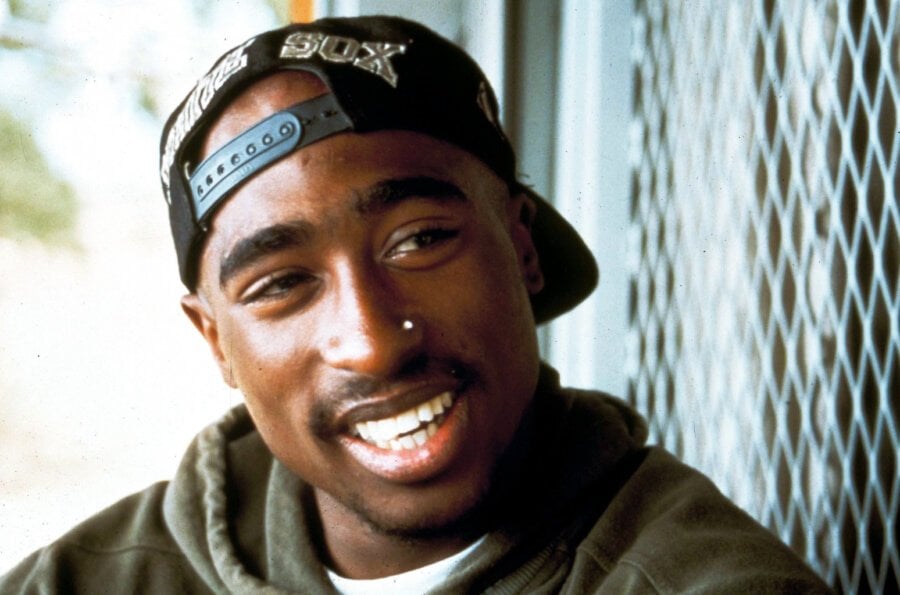
‘Changes’: The Tupac Shakur song that holds a brutal message
‘Changes’ by Tupac Shakur, released in 1998, is one of his most iconic songs. The track is a powerful social commentary on racial inequality, marginalism, and a call for change. It reflects Tupac’s ability to articulate the struggles of marginalised communities through his music. The song is widely recognised for its introspective lyrics and poignant message. This makes it a pivotal piece in Tupac’s discography and in hip-hop history.
‘Changes’ was recorded in 1992, during a period of intense personal and social turmoil for Tupac. At this time, he was navigating his rising fame while confronting the harsh realities of life in America as a Black man. Events like the Rodney King beating and the Los Angeles riots heavily influenced Tupac’s perspectives on race and justice.
The song samples ‘The Way It Is’ by Bruce Hornsby and the Range, a track known for its commentary on societal issues and resistance to change. This sample choice further underlines Tupac’s message; many of the issues addressed by Hornsby in the 1980s remained unresolved in the ’90s. In addition, Tupac references police brutality and systemic racism head-on in the song. He says, “Cops give a damn about a negro? Pull the trigger, kill a nigga, he’s a hero.” This line reflects his frustration over the continued violence against Black individuals at the hands of law enforcement.
Further, the lyrics “I see no changes; all I see is racist faces” show Tupac’s critiques of society. Where being Black often equates to being marginalised and economically disadvantaged. He also addresses the cyclical nature of violence within Black communities, along with systemic failures and poverty. Tupac contemplates the futility of this violence. He sings, “And still I see no changes; can’t a brother get a little peace? / It’s war on the streets and the war in the Middle East.” Here, he juxtaposes the violence in American streets with global conflicts, suggesting a universal need for peace and understanding.
What’s more, despite the grim subject matter, Tupac still expresses a sense of hope for change. He calls for unity and understanding, urging, “We gotta start makin’ changes; learn to see me as a brother instead of two distant strangers.” This line captures his desire for racial harmony and empathy. ‘Changes’ captured the frustrations and aspirations of a generation. The song epitomised Tupac’s legacy as a voice for the voiceless. Its release after Tupac’s untimely death in 1996 added a layer of poignancy. It highlighted the loss of an artist who, without a doubt, was not afraid to confront uncomfortable truths.
Moreover, the track brought mainstream attention to issues affecting the Black community. This solidified Tupac’s role as a socially conscious artist who used his platform to advocate for justice and equality. ‘Changes’ continues to be a powerful tool for education and awareness and is often used in discussions about race, inequality, and the need for systemic reform.
‘Changes’ by Tupac Shakur is more than just a song; it’s a powerful reflection on the struggles faced by marginalised communities and a call for social change. Through its raw and honest lyrics, the track captures the complexities of racial and social injustice, making it a pivotal work in Tupac’s catalogue and a timeless piece of social commentary.