

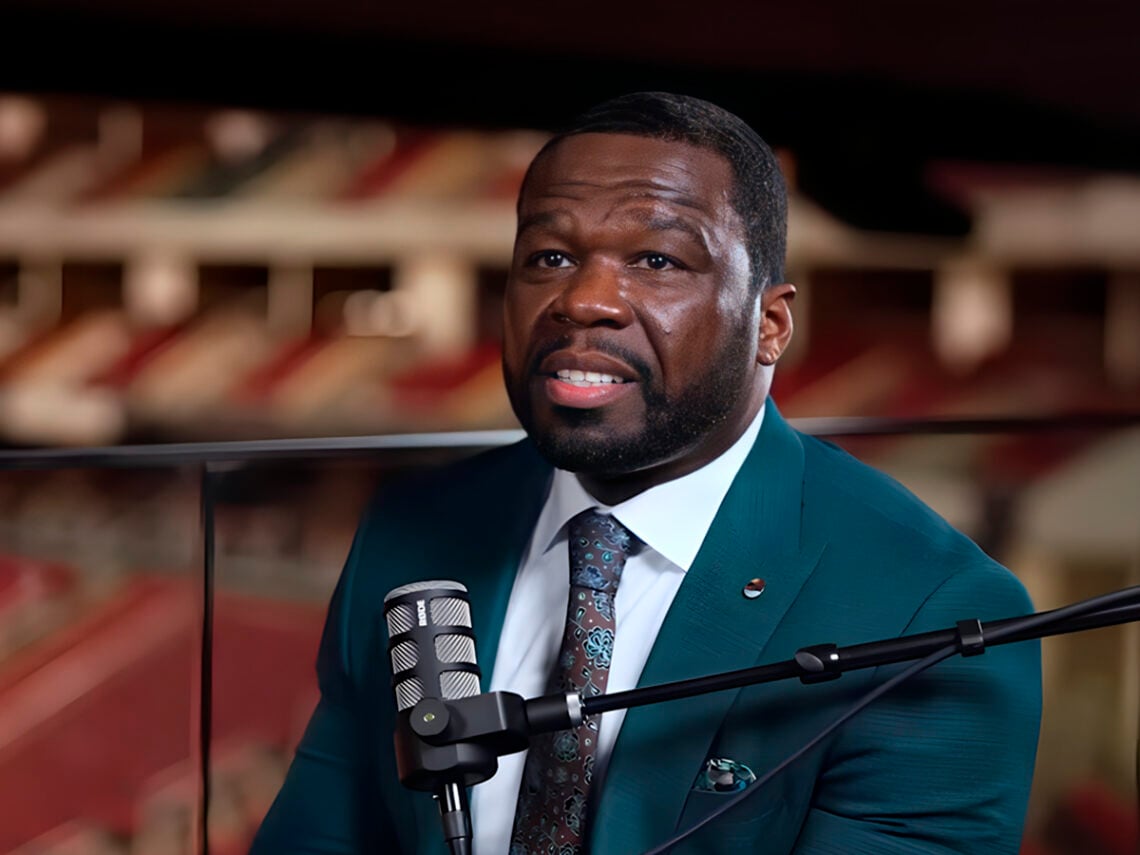
50 Cent claims hacker made $300 million in 30 minutes after bitcoin scam
As the use of bitcoin as a form of currency becomes more prominent, certain famous figures are finding themselves inadvertently involved in scams. 50 Cent just took to Instagram to warn his followers that his website and social media accounts were hacked by someone trying to promote cryptocurrency.
Fans of the ‘In Da Club’ rapper noticed that his website and X account were advertising Solana tokens on Friday, June 21st, although some, unfortunately, fell for the ruse, which turned out to be a ‘pump-and-dump’ scam.
The scammers developed a cryptocurrency called GUNIT, inspired by 50 Cent’s previous hip-hop group, G-Unit, and encouraged people to invest, only to decrease the value, leading to a plummet in the price of tokens, which dropped to just $0.00016.
Many of the rapper’s fans fell for the scam, partly due to the realistic Tweets that the hackers posted on his account. They made references to 50 Cent’s own brands and used memes to attract potential victims.
However, the musician ensured his followers that he has never used cryptocurrency and that his account was hacked without his knowledge. He wrote on Instagram, “My Twitter & Thisis50.com was hacked I have no association with this Crypto,” adding, “Twitter worked quickly to lock my account back down. Whoever did this made $300,000,000 in 30 minutes.”
While the rapper claims that the hackers made a staggering $30million in just half an hour, crypto experts claim that this isn’t the case – the profit would’ve been a smaller fraction of this amount.
A few years ago, 50 Cent was accused of using bitcoin when he allowed fans to purchase one of his albums with the currency. While reports claimed he had made around $8m from doing so, he later clarified that he never made any money from using Bitcoin, which he has reportedly never owned.
It seems as though more and more celebrities are getting involved in bitcoin scandals, which has been an issue for several years. In 2022, Chris Ainsley, Santander’s head of fraud risk management, explained (via Standard), “Familiar faces are being misused on social media in order to con people out of often life-changing sums of money.”
Experts are warning people not to simply click on advertisements by celebrities because, more often than not, these messages are the work of hackers.